
Video showing students and faculty in the Materials Science and Engineering department engaged in research, lab work, and classroom activities.
Home of UT
Materials Science and
Engineering
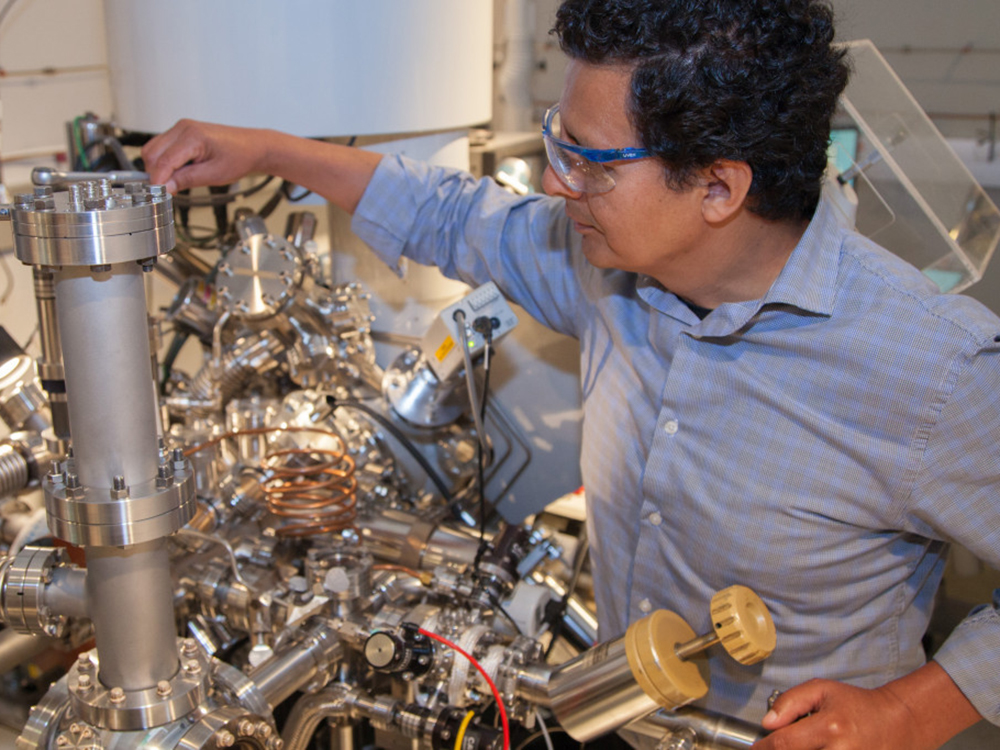
Core Faculty
TMI's core faculty lead cutting-edge research by running their grants through the institute, fostering collaboration and resource sharing.
Learn More
Graduate Program
Our Materials Science and Engineering program is one of the best in the nation, and our graduates go on to be leaders in their fields.
Learn More
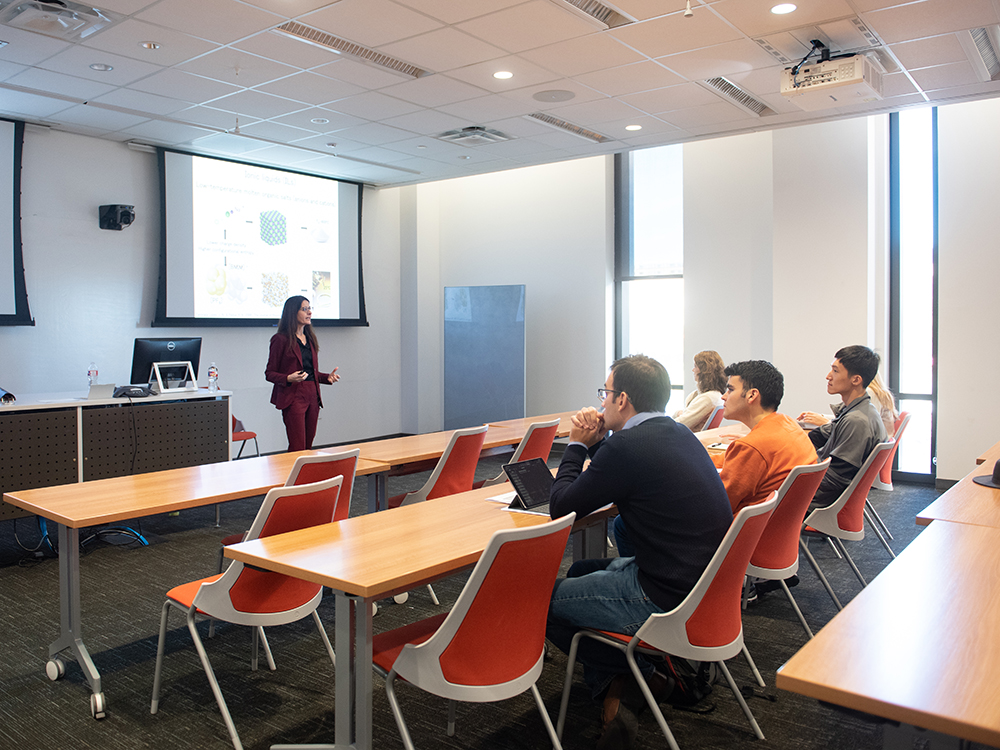
Research
TMI supports interdisciplinary research at UT Austin, with over 100 faculty focusing on clean energy, nanotechnology, and advanced materials using our state-of-the-art facilities.
Learn More
Home
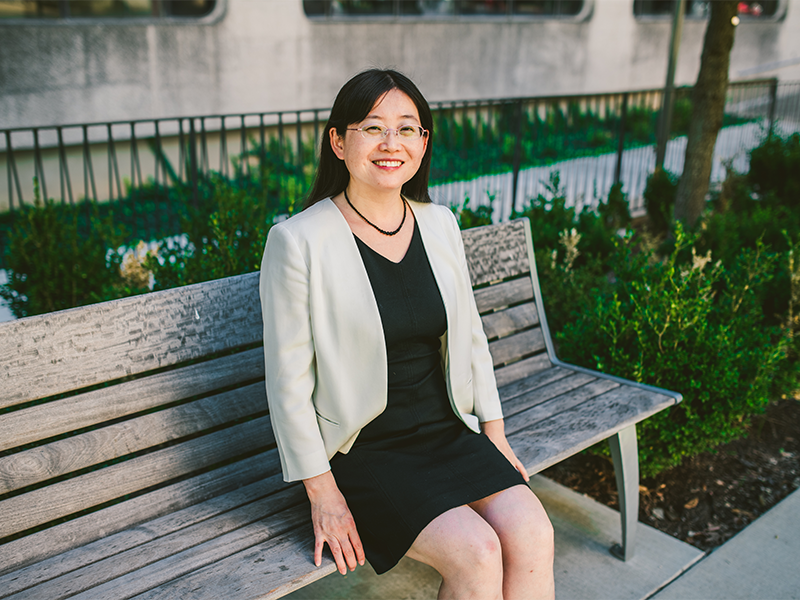
Donglei Emma Fan Inducted as Senior Member of the National Academy of Inventors
Dr. Donglei Emma Fan from the Walker Department of Mechanical Engineering and Texas Materials Institute, has been inducted into the 2025 Class of Senior Members of the National Academy of Inventors, a prestigious honor recognizing her significant contributions to innovation and technology.
Dr. Deji Akinwande's Group Publishes in ACS Nano
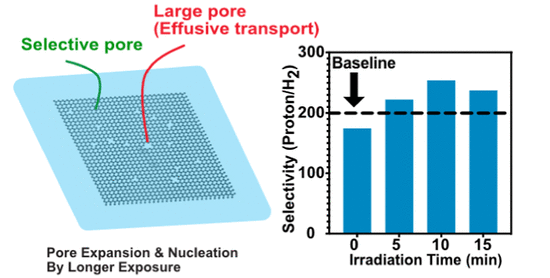
Dr. Deji Akinwande’s research group has just published new research in ACS Nano. The team developed a novel method using UV-Ozone to create precisely engineered defects in graphene membranes. This breakthrough solves a major challenge in ultrathin hydrogen fuel cell membranes, improving their performance without affecting the material’s strength or stability.
A Path to Safer, High-Energy Electric Vehicle Batteries
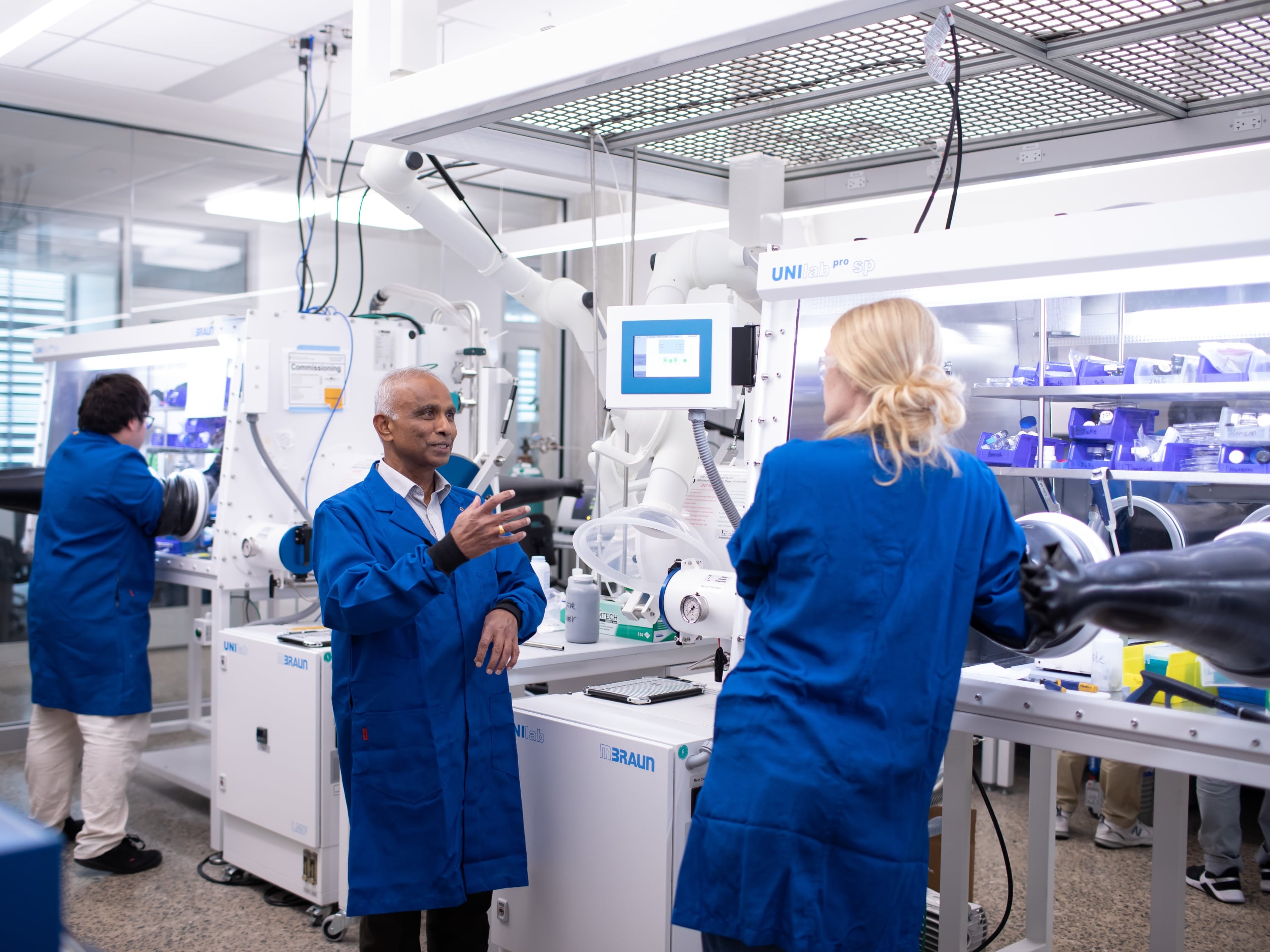
Nickel’s role in the future of electric vehicle batteries is clear: It’s more abundant and easier to obtain than widely used cobalt, and its higher energy density means longer driving distances between charges.
Graphene Double Moiré System Revolutionizes Quantum Materials Research
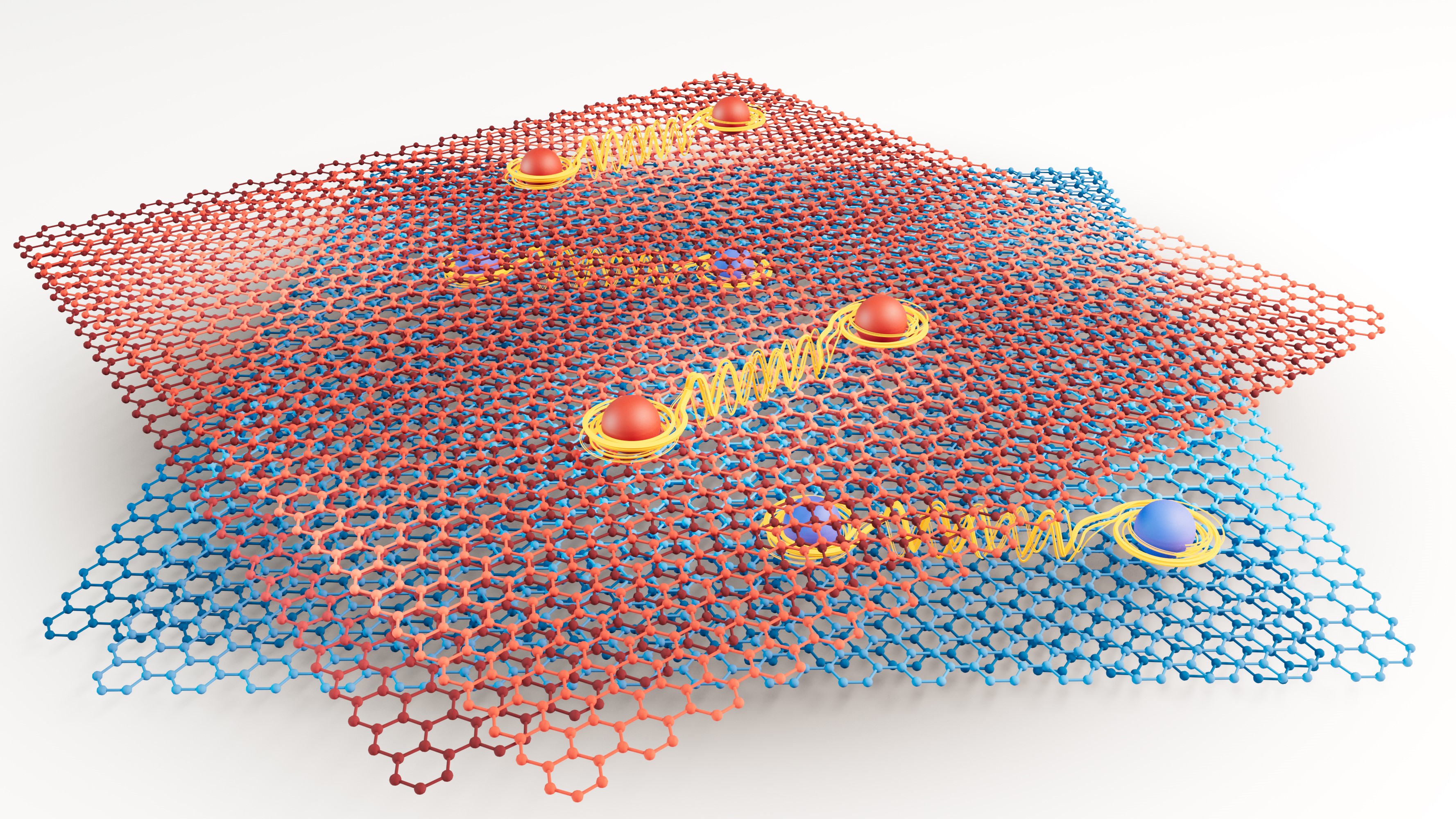
An international research team, led by scientists from The University of Texas at Austin, has unveiled a groundbreaking double moiré system made of four graphene layers. In this innovative structure, the top and bottom pairs form small-twist-angle bilayer graphene, while the middle interface is characterized by a large rotational mismatch. Fabricated using opto-thermoplasmonic nanolithography, this system introduces a new platform for exploring independently tunable flat bands in twisted bilayer graphene (TBG) structures.
Page 23 of 54
Texas Materials Seminar Series
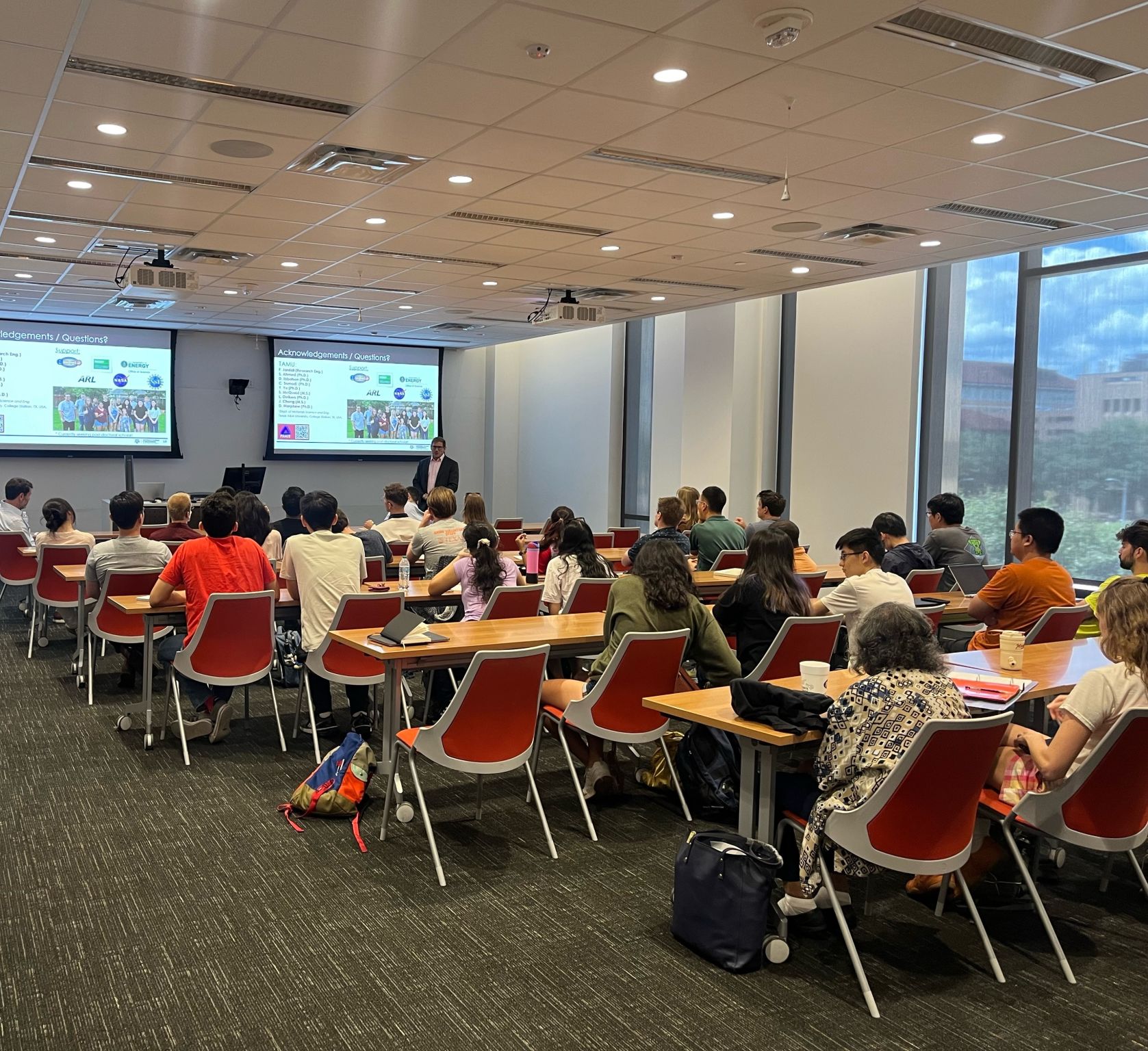
The Texas Materials Seminar Series features MSE 397 Seminars, TMI Distinguished Lectureships, and TMI Special Seminars, where leading faculty and professionals from around the world share cutting-edge innovations and advancements in materials engineering with our students.
Learn More
$12M+
In Grant Funding
20+
Research Patents
10K+
Sq. Ft. of Research Labs
News
Zhantao Chen Publishes New Article on AI-assisted Tool
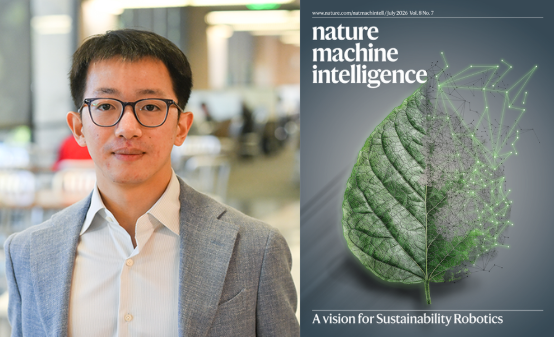
Zhantao Chen, an Assistant Professor in Mechanical Engineering and a TMI-affiliate, has published an article on an AI tool in Nature Machine Intelligence. The article used AI to help researchers in ways that would assist in experimental tasks that are often labor-intensive and tiresome.
Terry Zheng & Yu Group Publish New Work on Water-Based Electrolytes
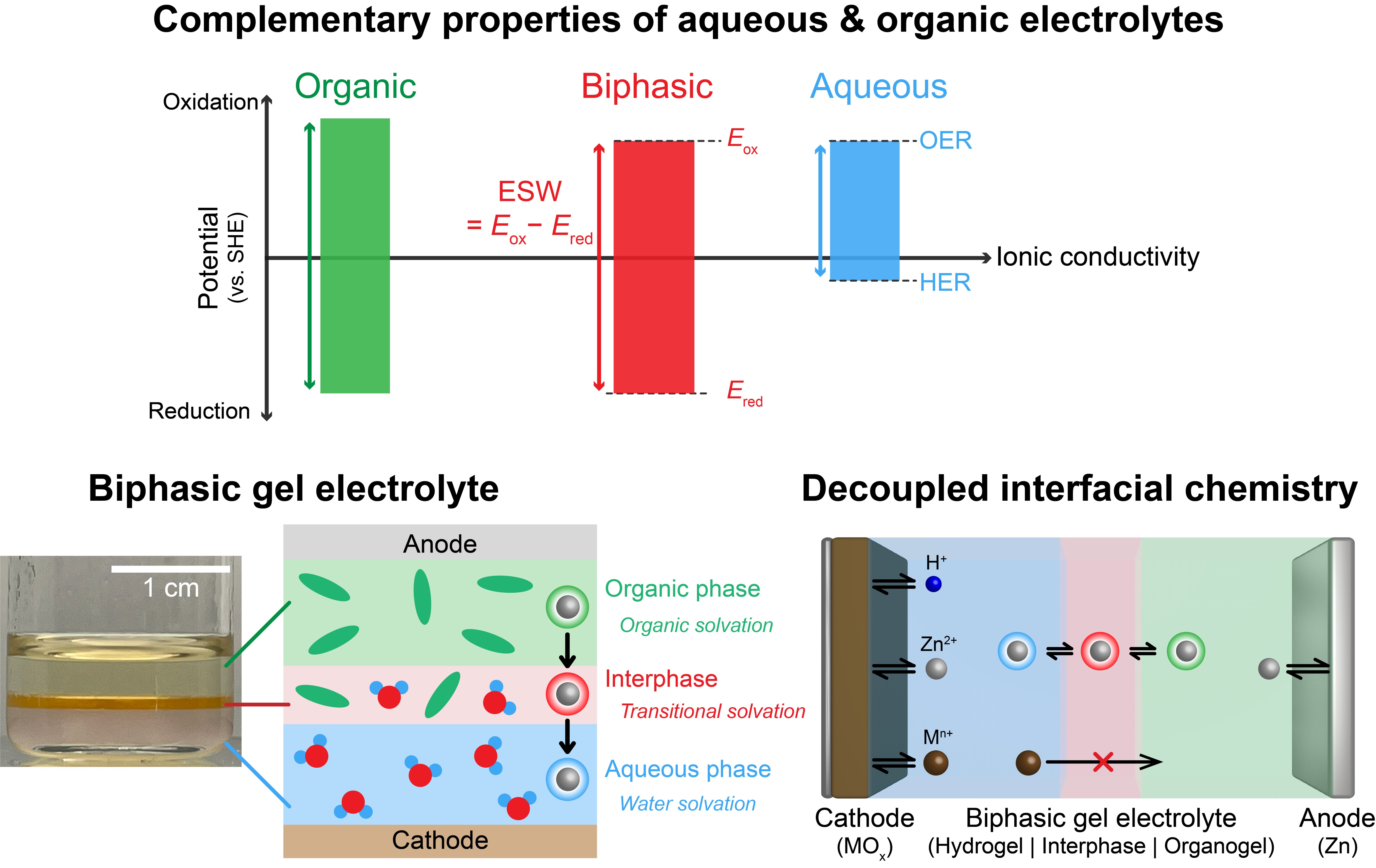
Materials Science and Engineering graduate student Tianrui (Terry) Zheng, under the supervision of Dr. Guihua Yu has published research in Advanced Materials introducing a biphasic electrolyte architecture that combines the strengths of water-based (aqueous) and organic-based electrolytes for long-duration, high-rate zinc metal batteries.
Get Better Sleep With Ultrasound Patch That Boosts REM Rest
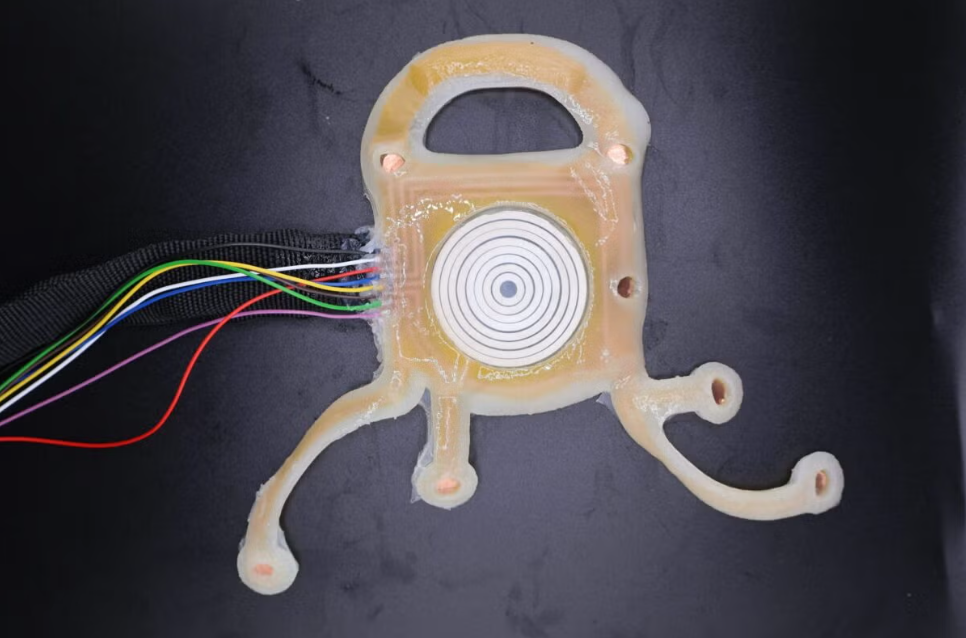
A wearable bioelectronic device increased REM sleep in real-world trials, without invasive surgery or medication.
Published by UT News.
Yuebing Zheng Awarded 'New Directions' Seed Funding from UT OVPR

Yuebing Zheng was awarded seed funding through the University's Office of the Vice President for Research, Scholarship and Creative Endeavors. The 'New Directions in Research' grants are one time payments that give faculty an opportunity to obtain proof-of-concept or pilot data for future, larger grants.
Terry Zheng Awarded UT Chevron Energy Graduate Fellowship
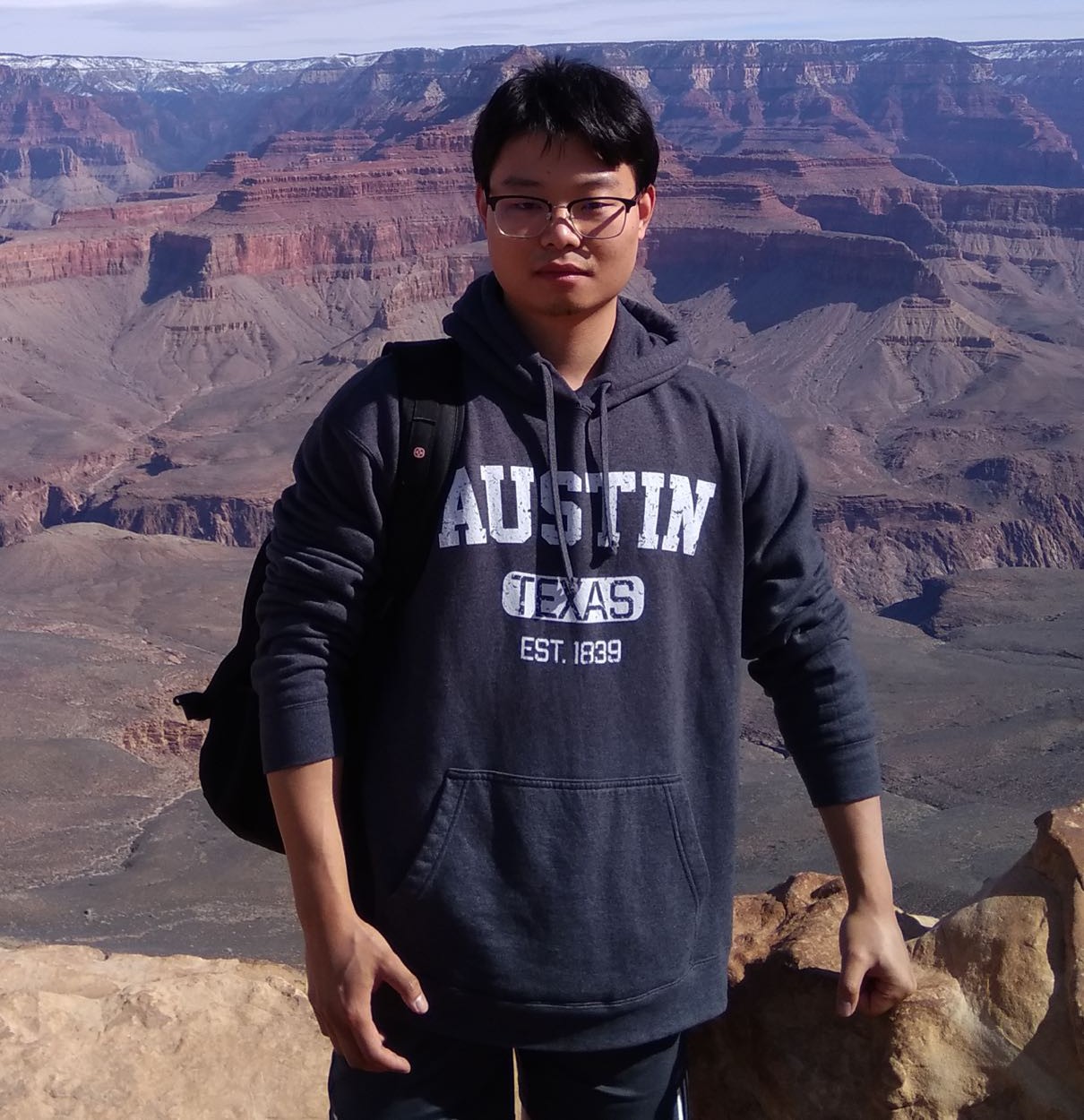
Tianrui (Terry) Zheng, a Materials Science & Engineering graduate student working with Dr. Guihua Yu, is a recipient of the 2026-2027 UT Chevron Energy Graduate Fellows Award from UT's Energy Institute.
