
Video showing students and faculty in the Materials Science and Engineering department engaged in research, lab work, and classroom activities.
Home of UT
Materials Science and
Engineering
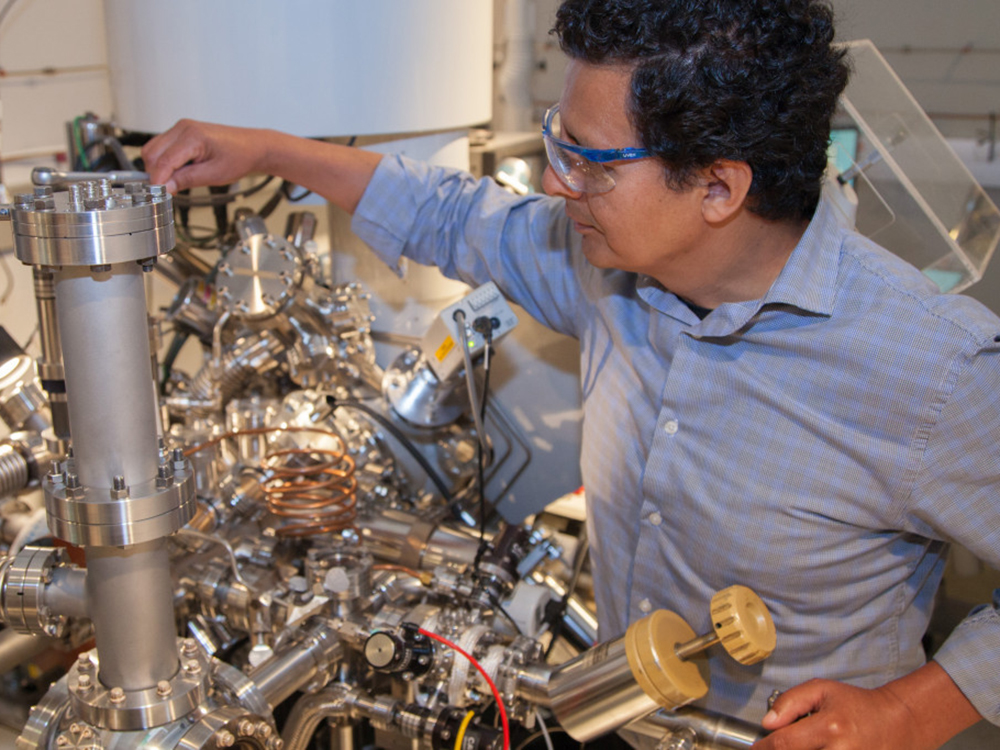
Core Faculty
TMI's core faculty lead cutting-edge research by running their grants through the institute, fostering collaboration and resource sharing.
Learn More
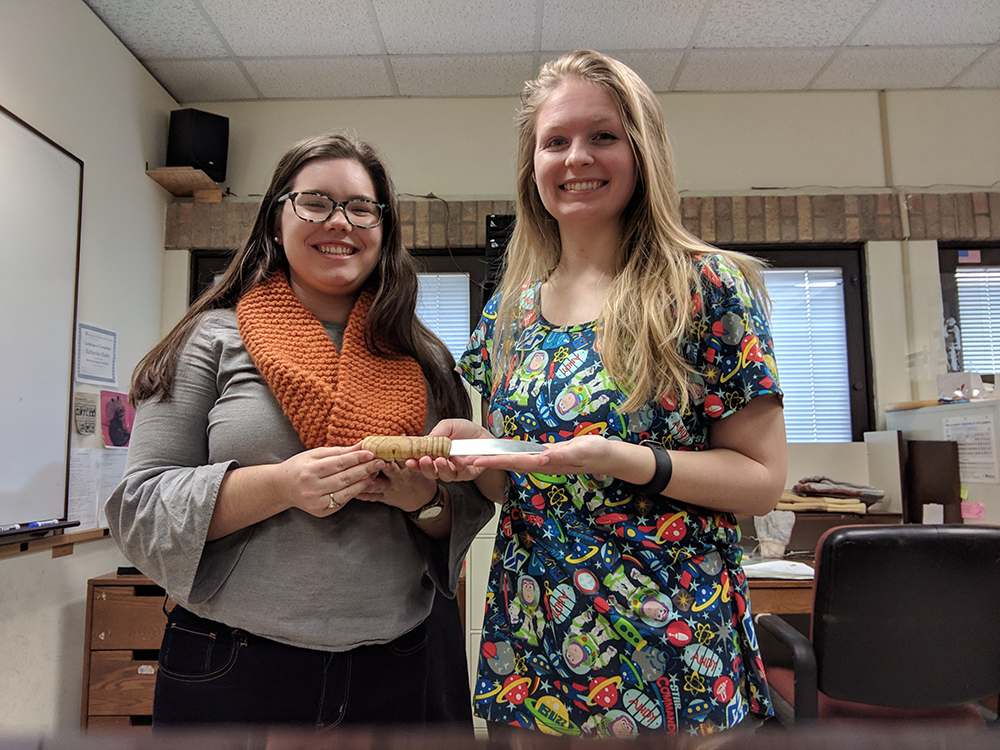
Graduate Program
Our Materials Science and Engineering program is one of the best in the nation, and our graduates go on to be leaders in their fields.
Learn More
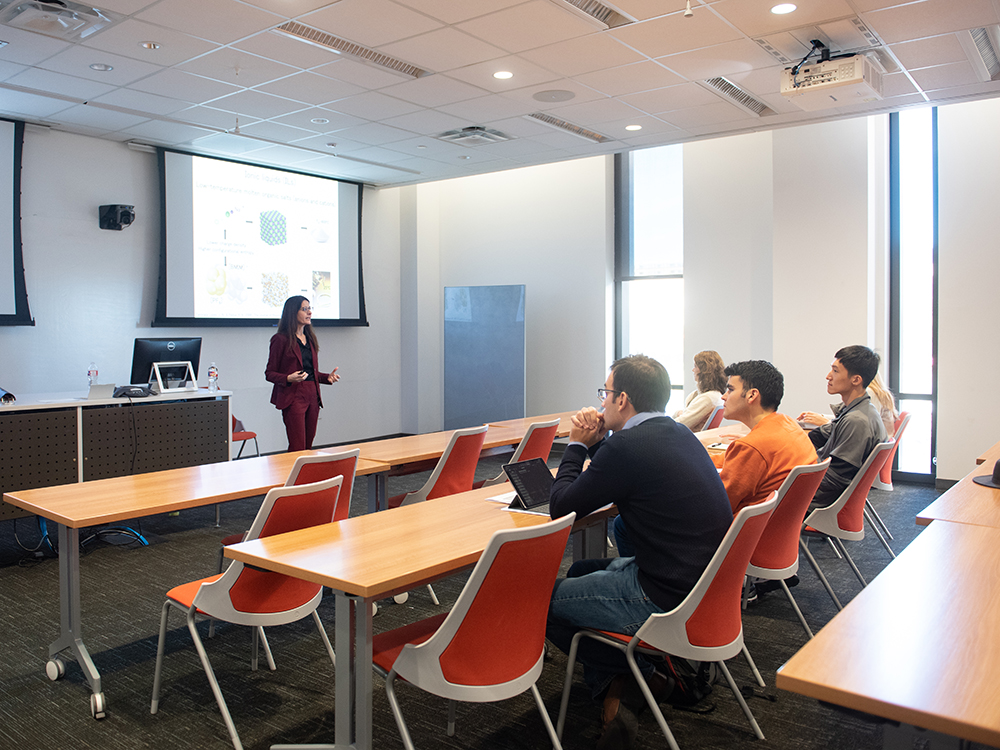
Research
TMI supports interdisciplinary research at UT Austin, with over 100 faculty focusing on clean energy, nanotechnology, and advanced materials using our state-of-the-art facilities.
Learn More
Home

Smoothing Over Rough Edges in Batteries
Texas Engineers have discovered a new phenomenon in modern batteries, one that could be used to improve their life cycles.
Battery performance suffers over time, like when a phone needs to be charged more frequently after years of use. A thin film that forms on the metal anode when the battery is charging and discharging plays a part in that issue. This film has benefits, but its roughness gradually wears the battery down.

Hand-paintable electrodes to study the brain
Measuring brain waves could become easier with electrodes and wires that researchers can paint on the scalp through parted hair using a paintbrush. Made with a conductive polymer ink, the micrometer-thin painted films stick strongly to the skin for up to 3 days, and then peel off, leaving hair intact.
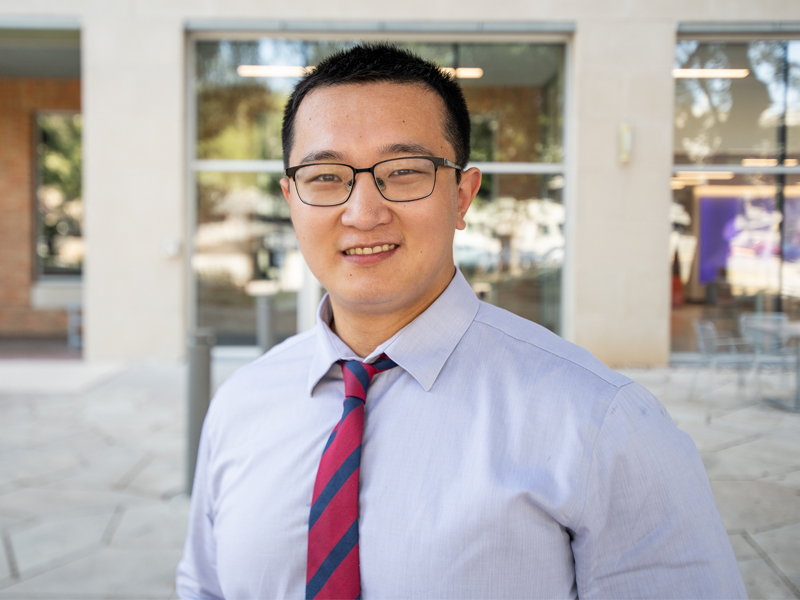
Jin Yang Wins NSF CAREER Award to Study Viscoelastic Materials
Jin Yang, an assistant professor in the Department of Aerospace Engineering and Engineering Mechanics at The University of Texas at Austin, was selected to receive a National Science Foundation (NSF) Faculty Early Career Development Program (CAREER) award for 2025.

Dr. Jin Yang Receives NSF CAREER Award
Dr. Jin Yang, Assistant Professor at the University of Texas at Austin and faculty member of the Texas Materials Institute (TMI), has been awarded the National Science Foundation (NSF) CAREER Award, one of the most prestigious honors for early-career faculty in science and engineering. This five-year award, totaling approximately $650,000, will support Dr. Yang’s research on the fracture and material failure behavior of soft viscoelastic materials such as polymers, hydrogels, and biological under different loading rates and temperatures.
Page 21 of 54
Texas Materials Seminar Series
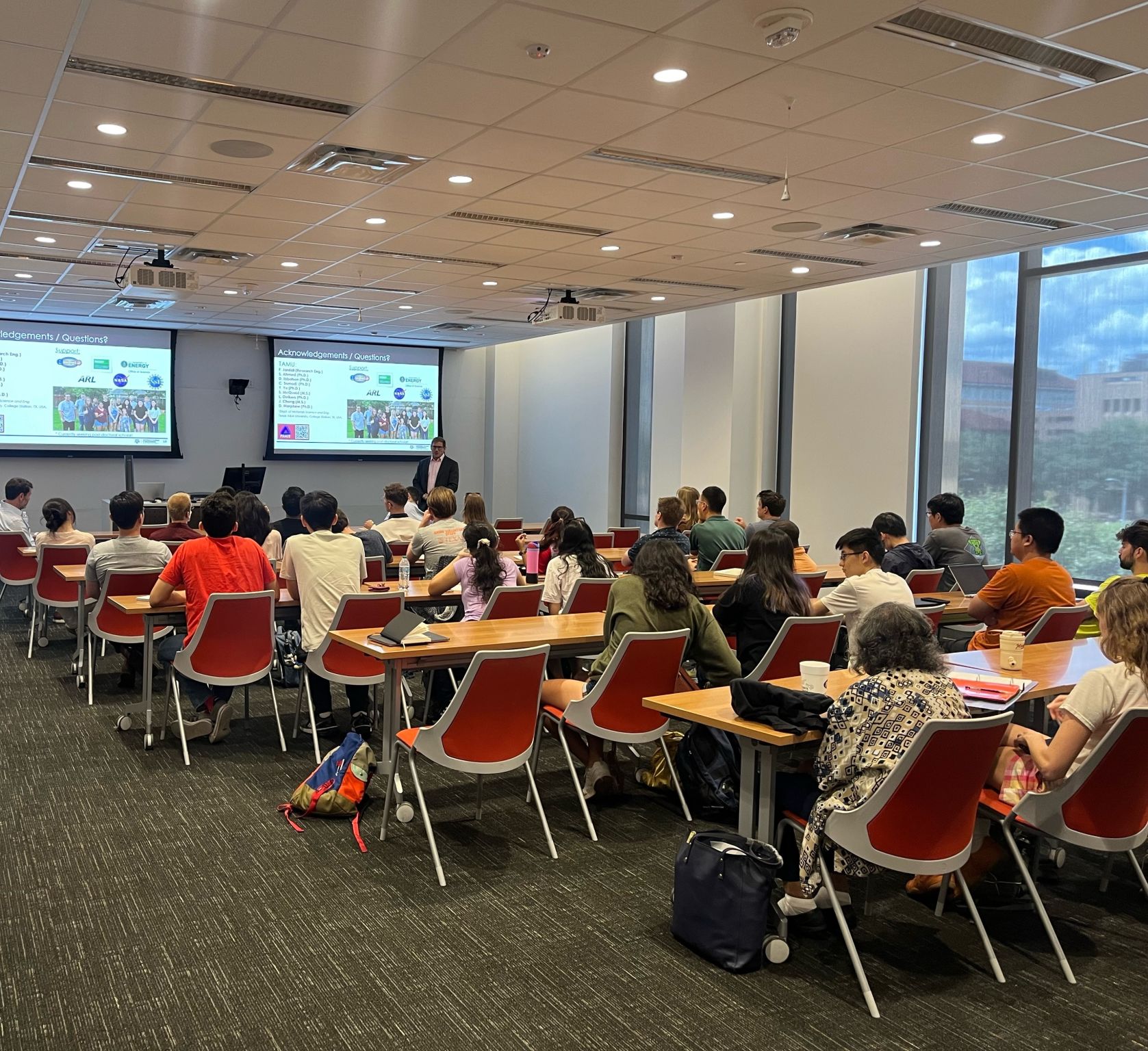
The Texas Materials Seminar Series features MSE 397 Seminars, TMI Distinguished Lectureships, and TMI Special Seminars, where leading faculty and professionals from around the world share cutting-edge innovations and advancements in materials engineering with our students.
Learn More
$12M+
In Grant Funding
20+
Research Patents
10K+
Sq. Ft. of Research Labs
News
Zhantao Chen Publishes New Article on AI-assisted Tool
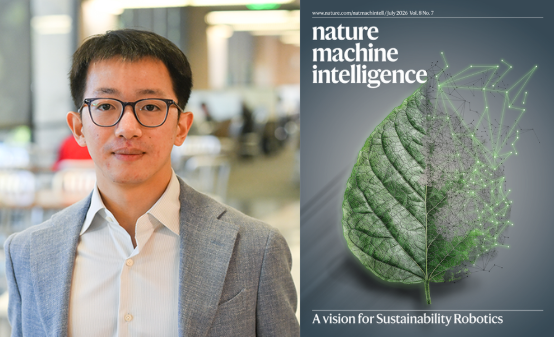
Zhantao Chen, an Assistant Professor in Mechanical Engineering and a TMI-affiliate, has published an article on an AI tool in Nature Machine Intelligence. The article used AI to help researchers in ways that would assist in experimental tasks that are often labor-intensive and tiresome.
Terry Zheng & Yu Group Publish New Work on Water-Based Electrolytes
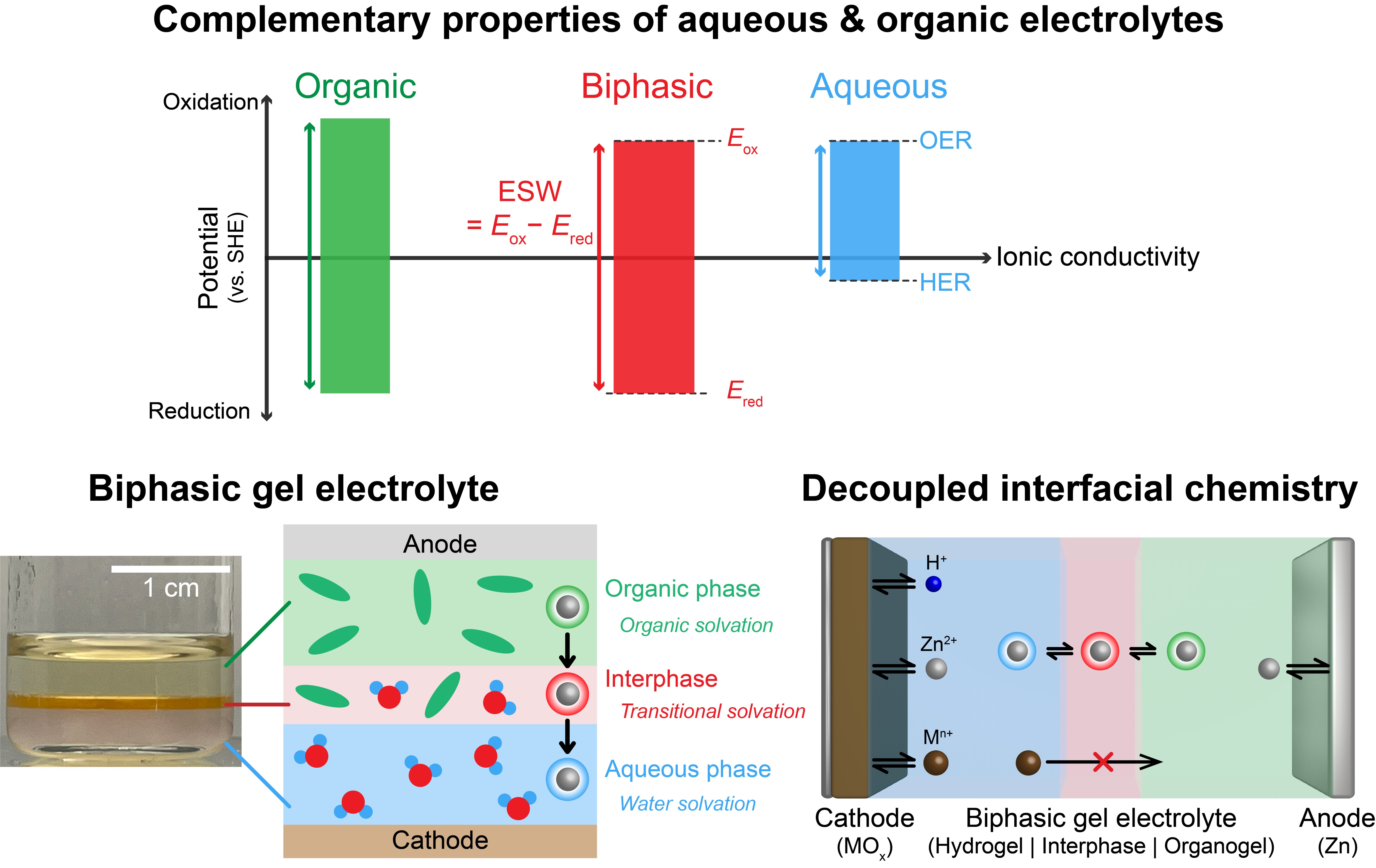
Materials Science and Engineering graduate student Tianrui (Terry) Zheng, under the supervision of Dr. Guihua Yu has published research in Advanced Materials introducing a biphasic electrolyte architecture that combines the strengths of water-based (aqueous) and organic-based electrolytes for long-duration, high-rate zinc metal batteries.
Get Better Sleep With Ultrasound Patch That Boosts REM Rest
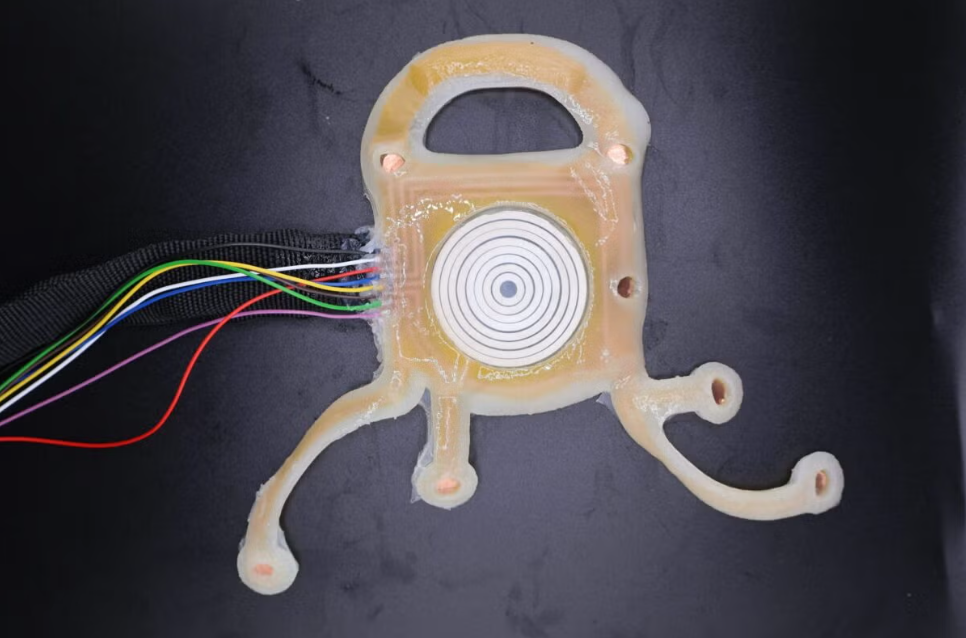
A wearable bioelectronic device increased REM sleep in real-world trials, without invasive surgery or medication.
Published by UT News.
Yuebing Zheng Awarded 'New Directions' Seed Funding from UT OVPR
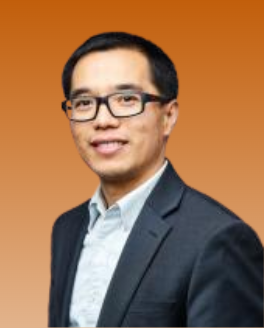
Yuebing Zheng was awarded seed funding through the University's Office of the Vice President for Research, Scholarship and Creative Endeavors. The 'New Directions in Research' grants are one time payments that give faculty an opportunity to obtain proof-of-concept or pilot data for future, larger grants.
Terry Zheng Awarded UT Chevron Energy Graduate Fellowship
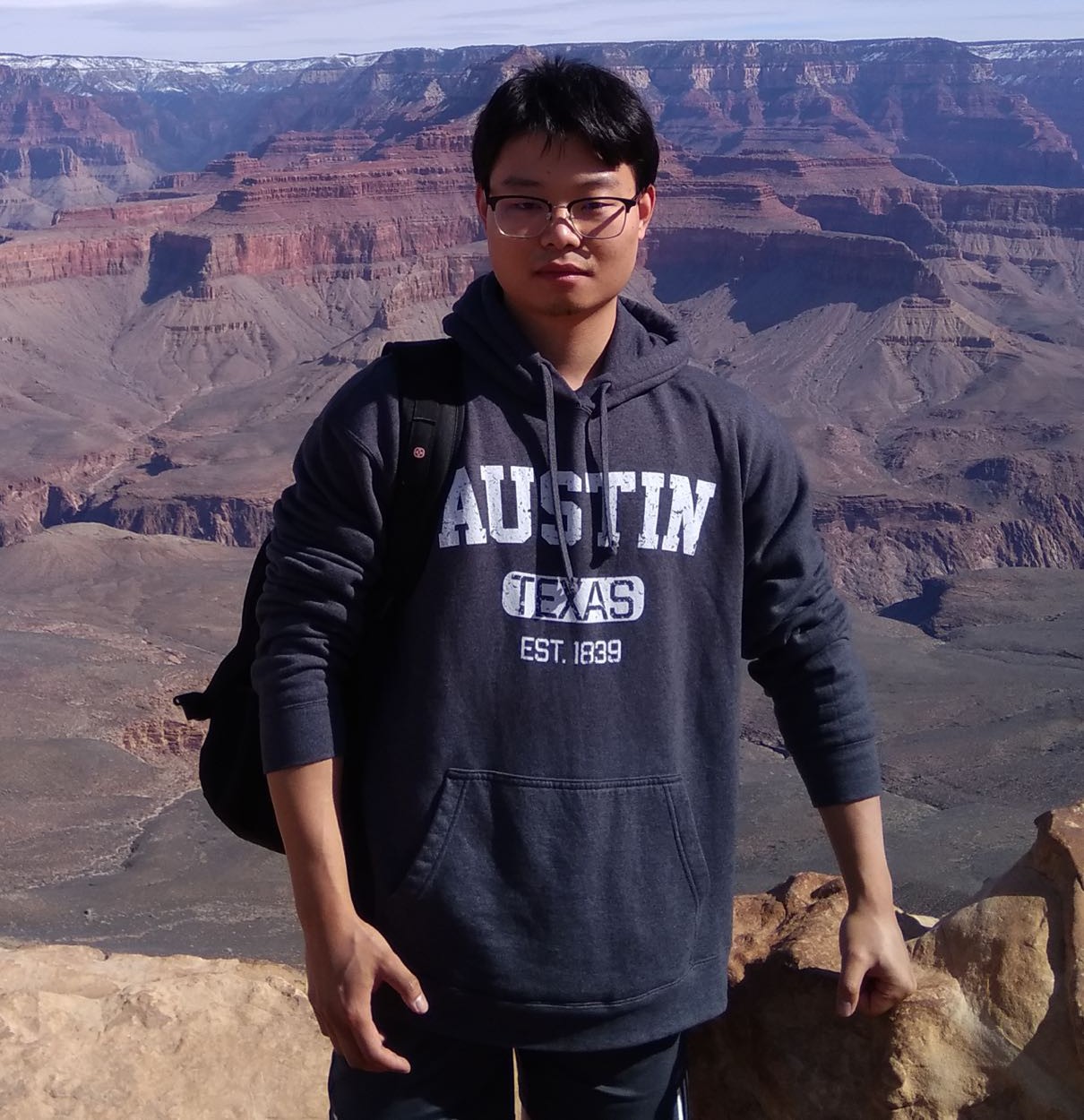
Tianrui (Terry) Zheng, a Materials Science & Engineering graduate student working with Dr. Guihua Yu, is a recipient of the 2026-2027 UT Chevron Energy Graduate Fellows Award from UT's Energy Institute.
