
Video showing students and faculty in the Materials Science and Engineering department engaged in research, lab work, and classroom activities.
Home of UT
Materials Science and
Engineering
Core Faculty
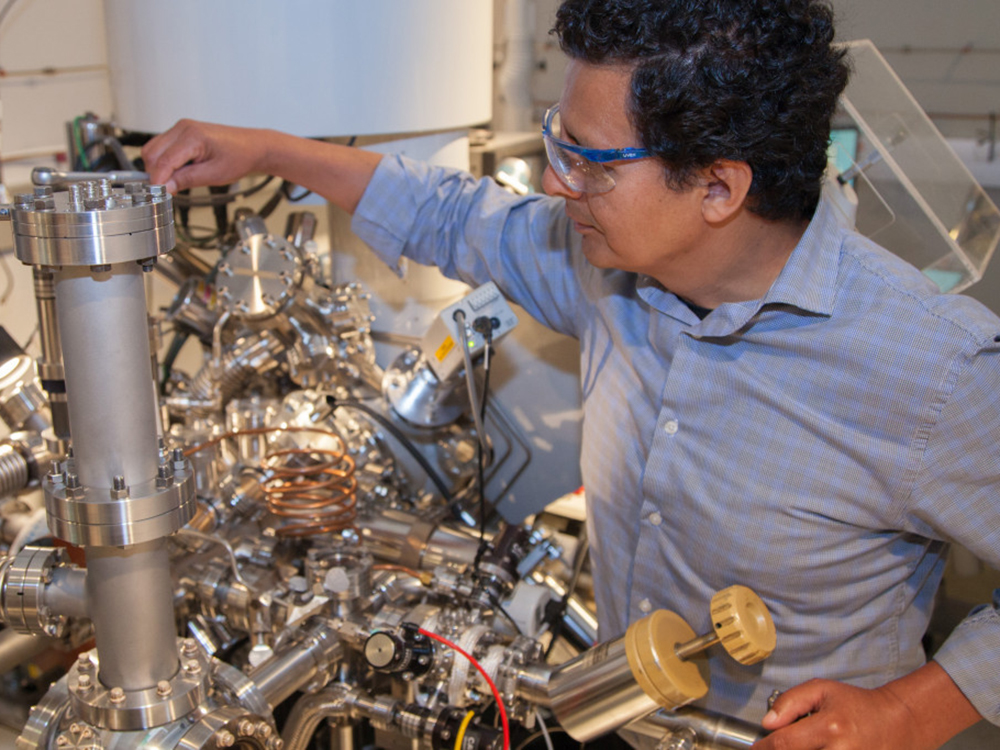
TMI's core faculty lead cutting-edge research by running their grants through the institute, fostering collaboration and resource sharing.
Learn More
Graduate Program
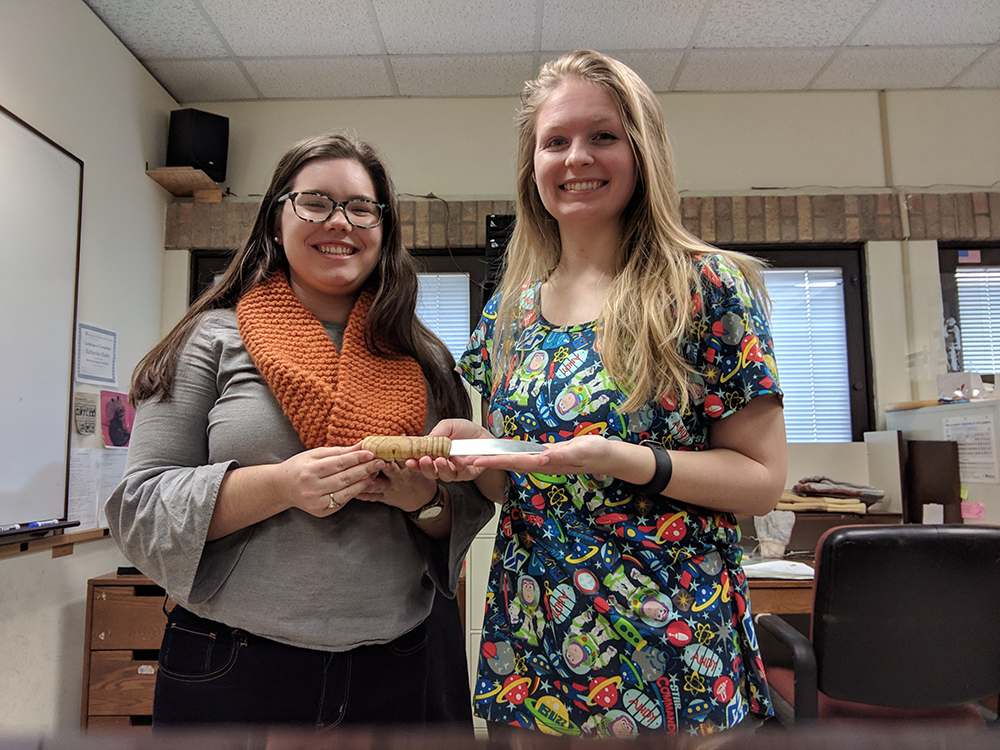
Our Materials Science and Engineering program is one of the best in the nation, and our graduates go on to be leaders in their fields.
Learn More
Research
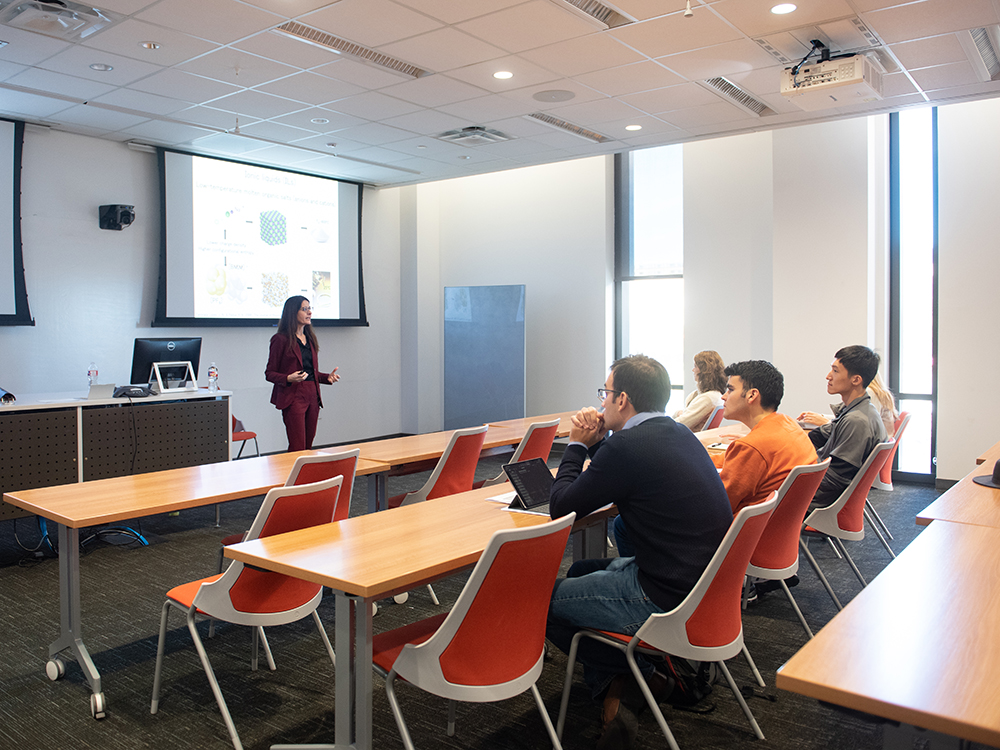
TMI supports interdisciplinary research at UT Austin, with over 100 faculty focusing on clean energy, nanotechnology, and advanced materials using our state-of-the-art facilities.
Learn More
Home

Dr. Bahadur Publishes on New Approach for Faster Desalination Process
Dr. Vaibhav Bahadur, a professor in Mechanical Engineering (ME) and an affiliate member of TMI, and ME graduate student Shanthanu Katakam, have developed a new method for designing and predicting performance of an emerging desalination technology: Osmotically Assisted Reserve Osmosis (OARO). OARO is an advanced version of well-known reverse osmosis (RO) technology, which uses membranes to separate fresh water from saline water.

Korgel Research Group Makes Glowing Nanocrystals in Record Time
Researchers from Dr. Brian Korgel's research group, including Chemical Engineering graduate student Shea Sanvordenker, have managed to create tiny, brightly glowing crystals at room temperature, in normal air, in just two minutes. Perovskite materials are notoriously unstable and often quickly degrade when exposed to air or moisture, but these crystals keep their structure and brightness for over six months, making them very stable.
Mangolini Research Group Publishes on Films & Friction
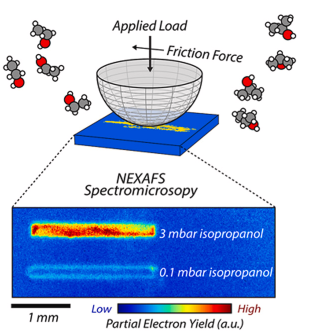
By combining advanced surface analysis techniques with computer simulations, the published research provided a deeper understanding of the chemical and physicial processes behind the formation of carbon-based films and their response to friction.
TMI Faculty Celebrated as Highly Cited Researchers in 2025
Seven faculty members who work with and in the Texas Materials Institute have been distinguished as Highly Cited Researchers for 2025 based on Clarivate's Web of Science Core Collection, a platform that provides reference and citation data from academic journals, conferences, and other documents across disciplines. Each Highly Cited Researcher has authored mulitple highly-cited papers and rank in the top 1% for their field and publication year.
Page 13 of 54
Texas Materials Seminar Series
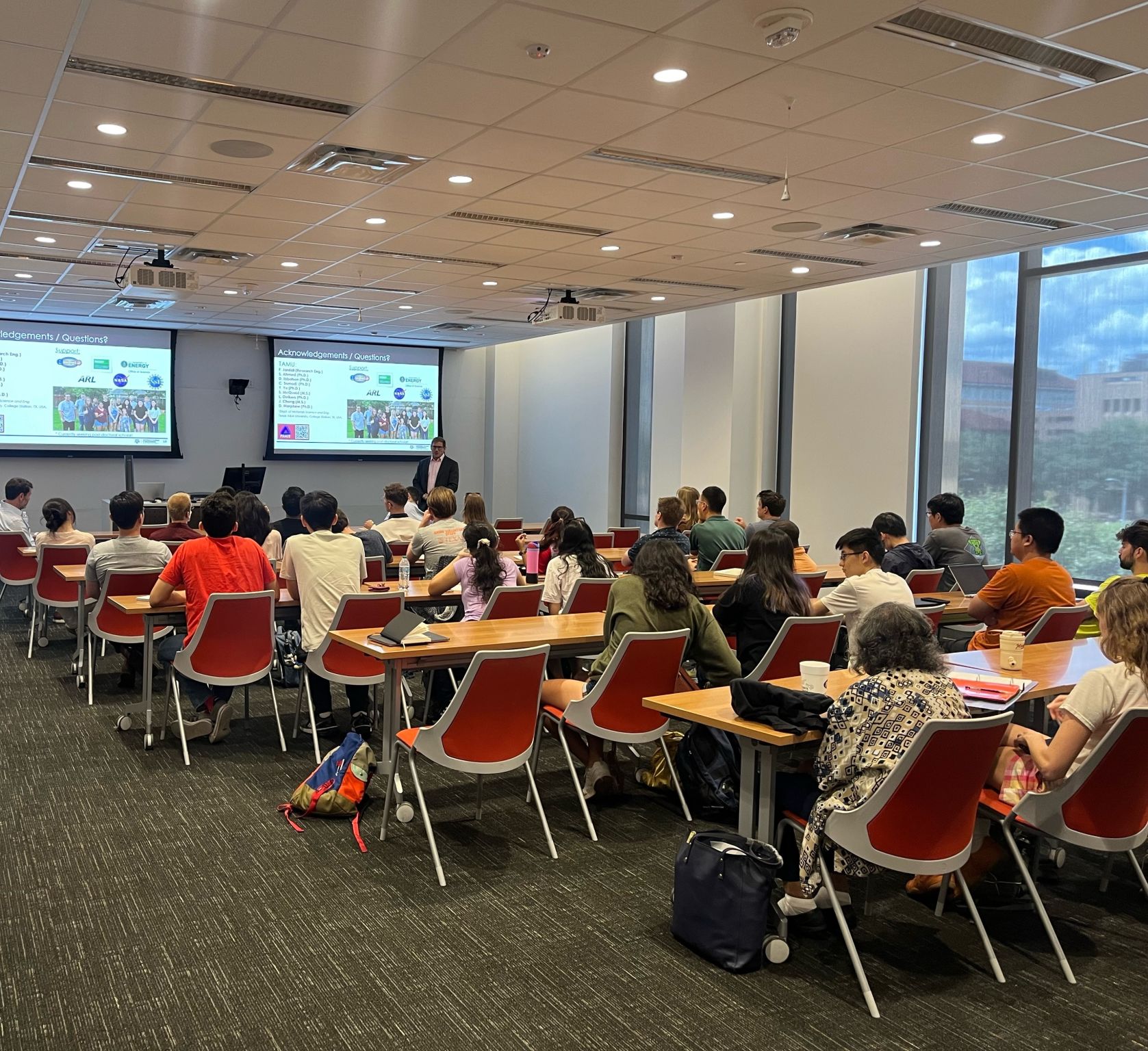
The Texas Materials Seminar Series features MSE 397 Seminars, TMI Distinguished Lectureships, and TMI Special Seminars, where leading faculty and professionals from around the world share cutting-edge innovations and advancements in materials engineering with our students.
Learn More
$12M+
In Grant Funding
20+
Research Patents
10K+
Sq. Ft. of Research Labs
News
Get Better Sleep With Ultrasound Patch That Boosts REM Rest
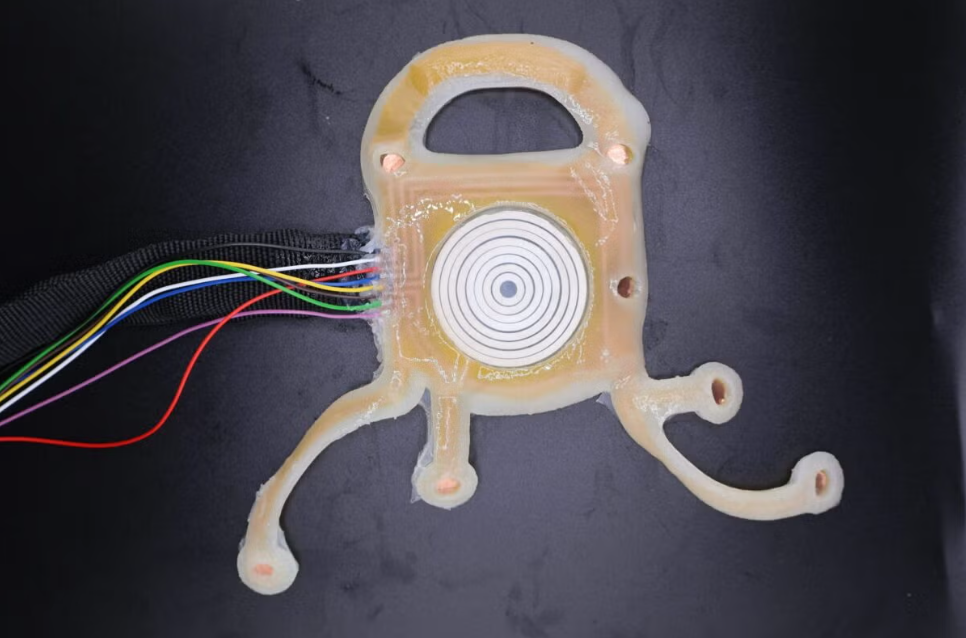
A wearable bioelectronic device increased REM sleep in real-world trials, without invasive surgery or medication.
Published by UT News.
Yuebing Zheng Awarded 'New Directions' Seed Funding from UT OVPR
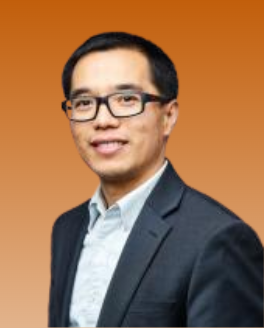
Yuebing Zheng was awarded seed funding through the University's Office of the Vice President for Research, Scholarship and Creative Endeavors. The 'New Directions in Research' grants are one time payments that give faculty an opportunity to obtain proof-of-concept or pilot data for future, larger grants.
Terry Zheng Awarded UT Chevron Energy Graduate Fellowship
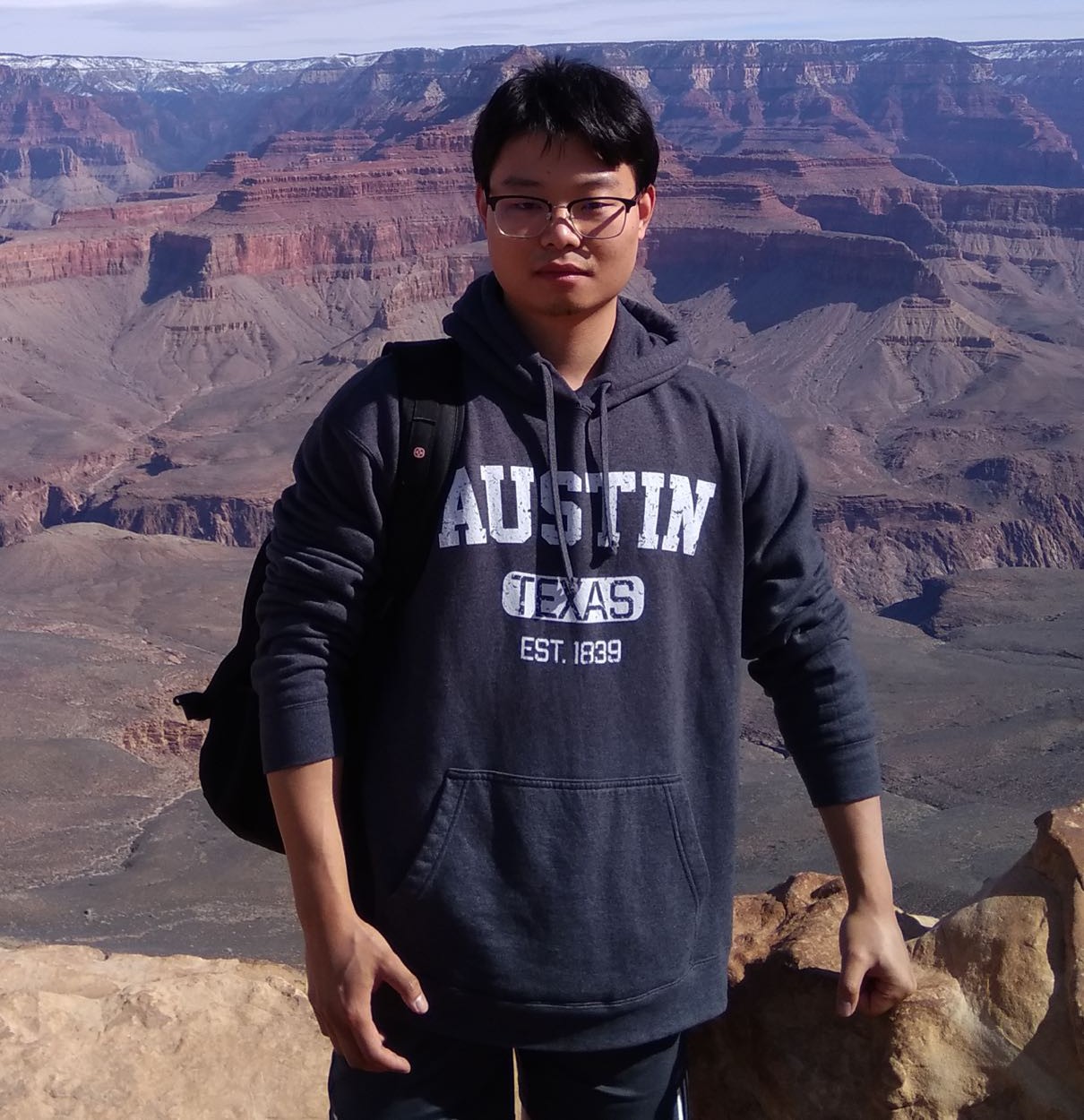
Tianrui (Terry) Zheng, a Materials Science & Engineering graduate student working with Dr. Guihua Yu, is a recipient of the 2026-2027 UT Chevron Energy Graduate Fellows Award from UT's Energy Institute.
NSF Graduate Research Fellowship Program Awardees
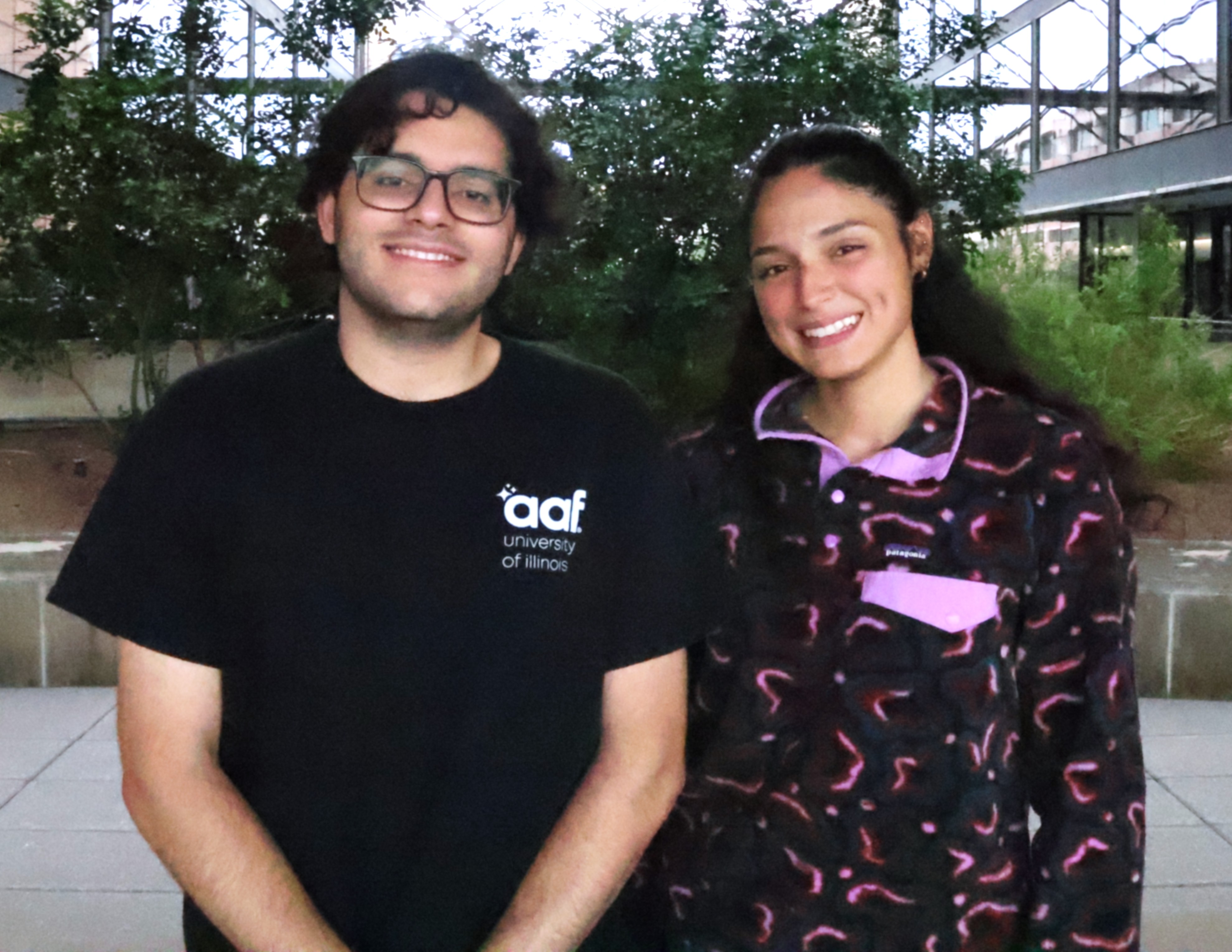
We are excited to announce that two MS&E students, Arvin Sharma and Aisha Lizaola, have been awarded the prestigious National Science Foundation Graduate Research Fellowship Program (NSF GRFP).
Two New Publications Advance Innovative Synthesis Methods for Next-Generation Battery Materials
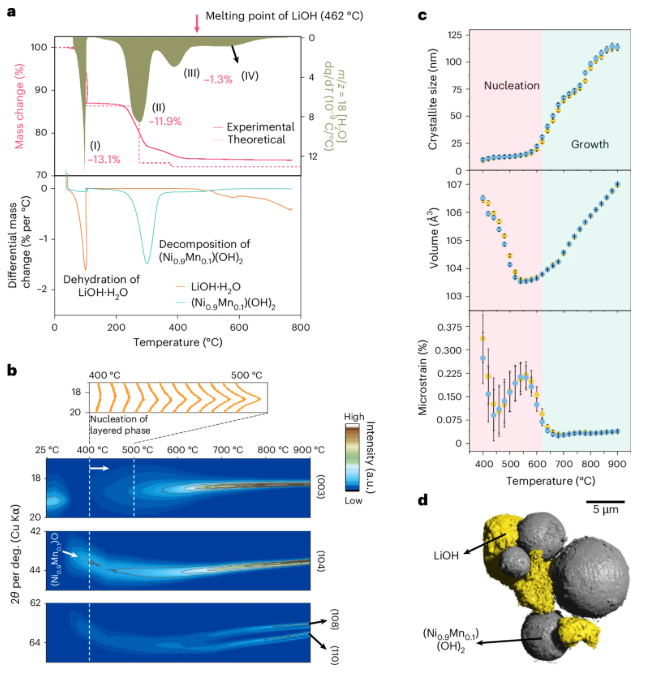
We are excited to share updates on two recent publications in Nature Energy and Nature Communications from Dr. Yijin Liu and his group, highlighting breakthroughs in battery material synthesis aimed at improving cathode performance, durability, and manufacturability.

© The University of Texas at Austin | Privacy Policy | Web Accessibility