
Video showing students and faculty in the Materials Science and Engineering department engaged in research, lab work, and classroom activities.
Home of UT
Materials Science and
Engineering
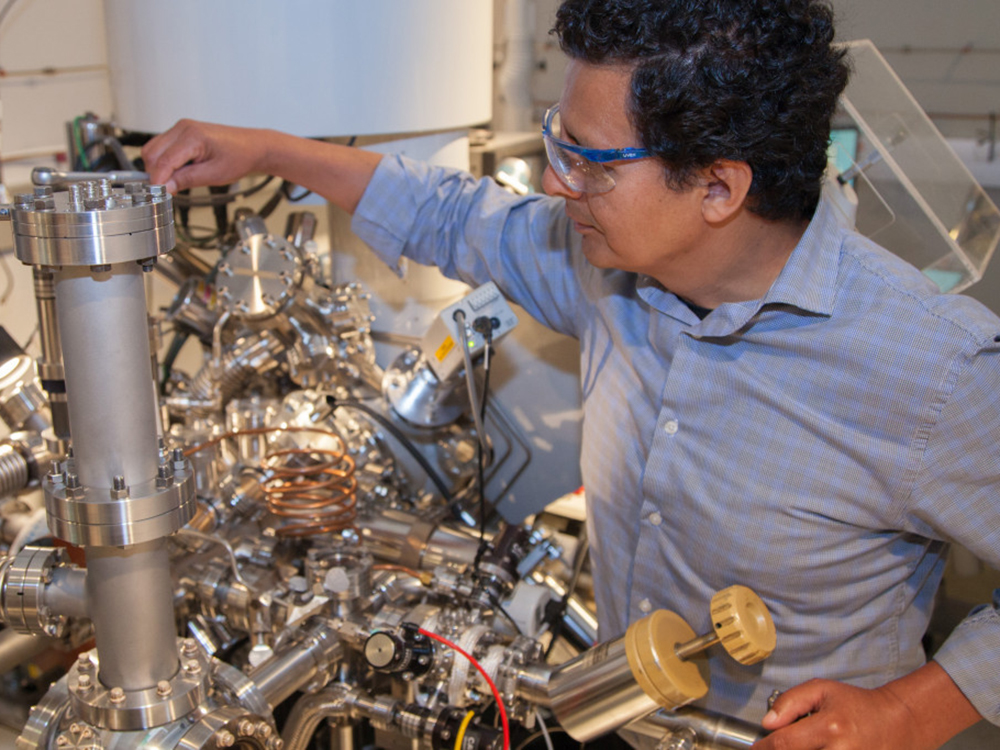
Core Faculty
TMI's core faculty lead cutting-edge research by running their grants through the institute, fostering collaboration and resource sharing.
Learn More
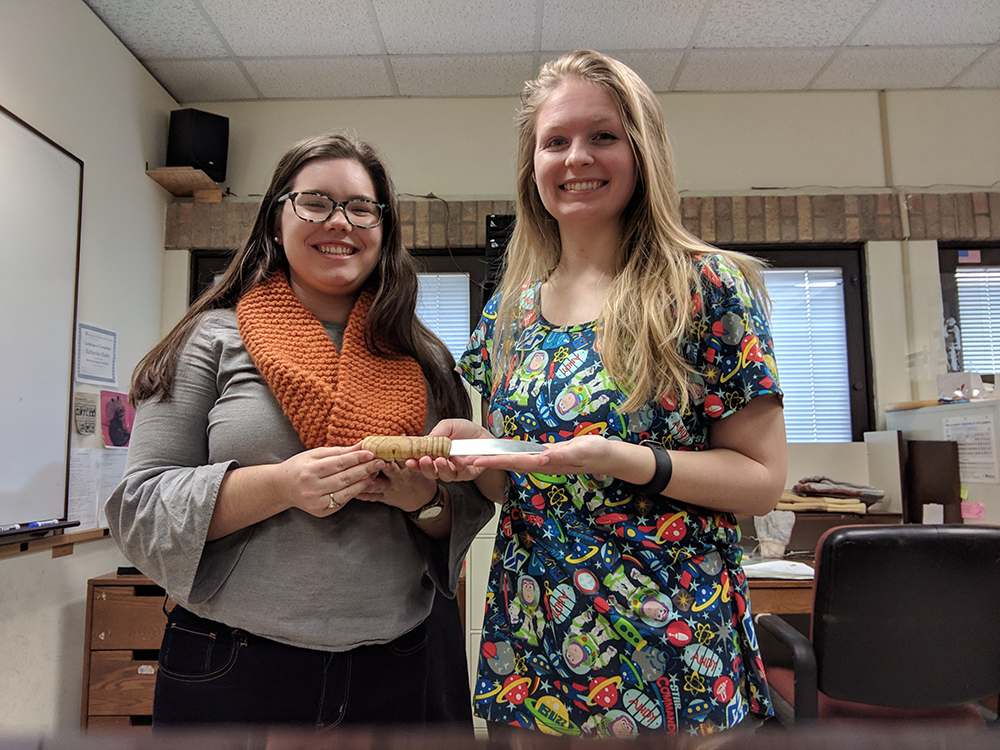
Graduate Program
Our Materials Science and Engineering program is one of the best in the nation, and our graduates go on to be leaders in their fields.
Learn More
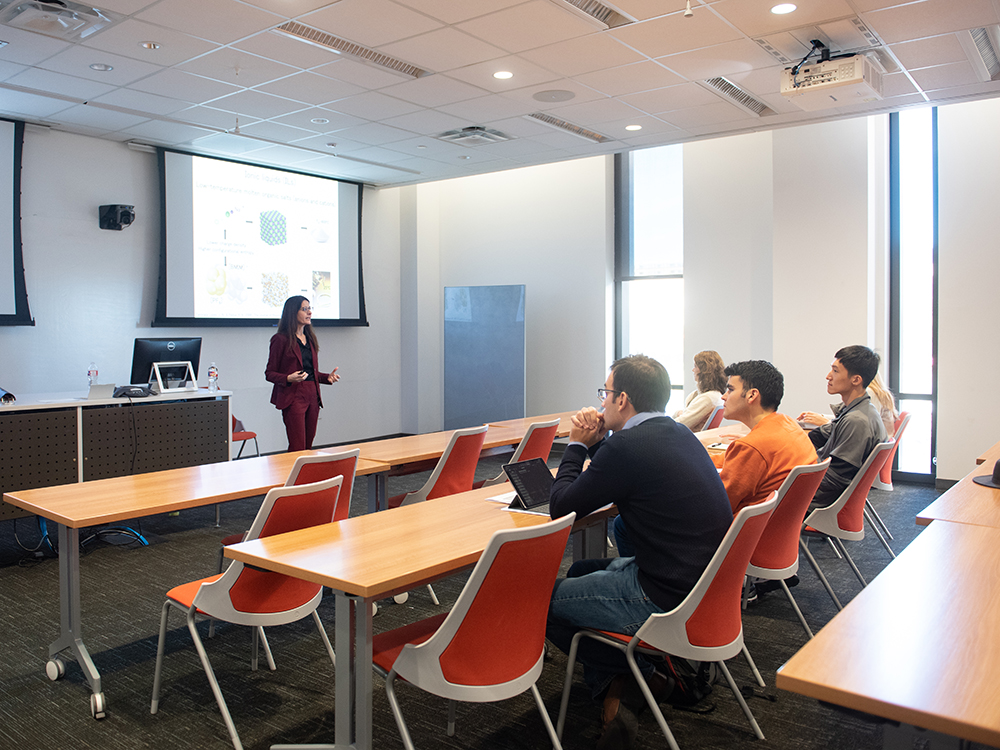
Research
TMI supports interdisciplinary research at UT Austin, with over 100 faculty focusing on clean energy, nanotechnology, and advanced materials using our state-of-the-art facilities.
Learn More
Home

Can ToF‑SIMS deliver standardless quantitative analysis when reference materials aren’t available?
Mangolini’s group has pioneered the first demonstration of absolute hydrogen quantification in polymers using ToF‑SIMS, without standards or sensitivity factors. The approach, called the Full Spectrum Method (FSM), moves beyond relying on a handful of “marker” secondary-ion fragments. Instead, FSM sums the intensities of all detected secondary ions that contain the element(s) of interest, helping to reduce matrix effects that can distort absolute quantification.

Latest Progress from Guihua Yu's Group Highlights Improving the Stability of Aqueous Batteries
Materials Science & Engineering graduate student Tianrui (Terry) Zheng, along with postdoctoral researcher Zhengyu Ju under the direction of Dr. Guihua Yu, have published a paper that focuses on improving the stability of aqueous batteries in Proceedings of the National Academy of Sciences (PNAS). Also contributing to the paper were Dr. Amy Marschilok, Dr. Esther Takeuchi and Dr. Kenneth Takeuchi from Stony Brook University.

Alumni & Current Students of MS&E Program Lead on Collaborative Paper Showcasing New Way to Enhance Hydrogen Fuel Cells
Materials Science & Engineering alum Shanmukh Kutagulla and current student Patrick Carmichael are the lead authors on a new collaborative paper, out in ACS Nano, that presents a novel solution to problems that plague hydrogen fuel cells. Commonly used as an alternative to fossil fuels, hydrogen fuel cells currently have issues with hydrogen "leaking" through the membrane, lowering the efficiency and performance.

Guihua Yu Awarded Grand Discovery Prize from Global Prize for Innovation in Water
Continental water-stress may soon meet its match, thanks to breakthrough work from the University of Texas at Austin scientist and engineer, Professor Guihua Yu of the Cockrell School of Engineering, who has just received the top honor — the Grand Discovery Prize — at the 2025 Global Prize for Innovation in Water (GPIW) in Saudi Arabia, in recognition of his pioneering hydrogels-based solar water technologies. (Business Wire)
Page 11 of 54
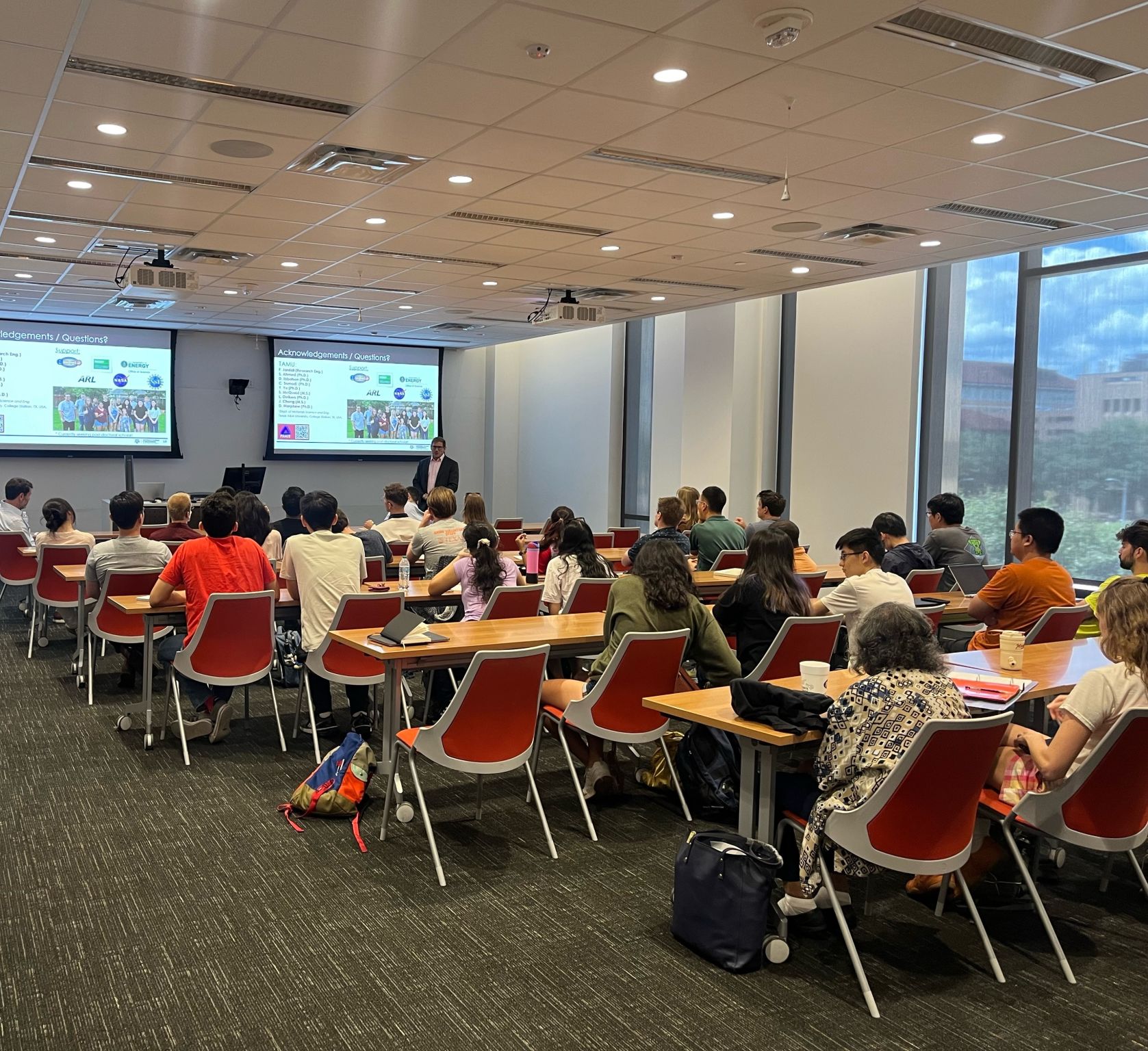
Texas Materials Seminar Series
The Texas Materials Seminar Series features MSE 397 Seminars, TMI Distinguished Lectureships, and TMI Special Seminars, where leading faculty and professionals from around the world share cutting-edge innovations and advancements in materials engineering with our students.
Learn More
$12M+
In Grant Funding
20+
Research Patents
10K+
Sq. Ft. of Research Labs
News
Get Better Sleep With Ultrasound Patch That Boosts REM Rest
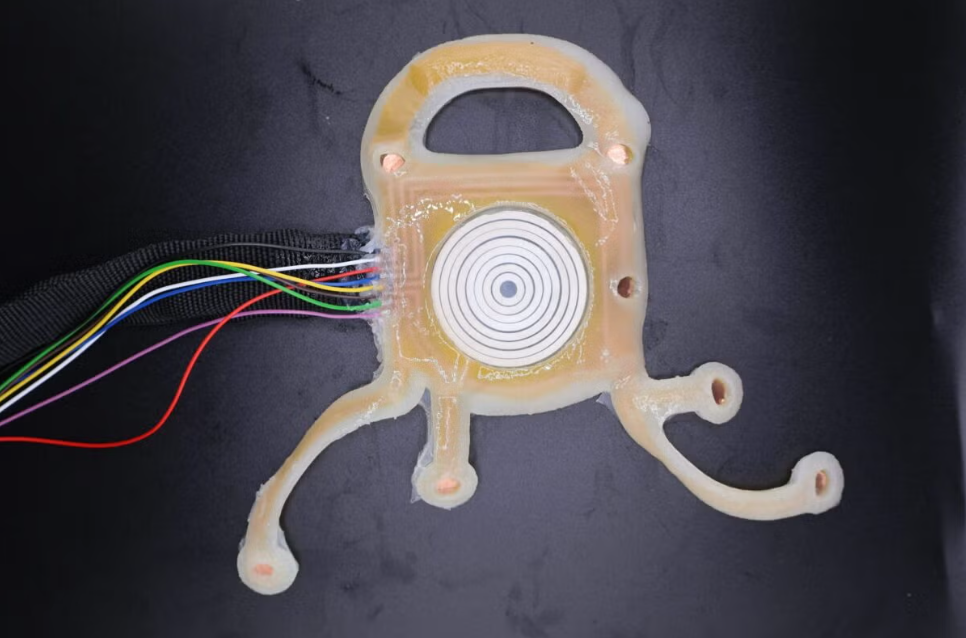
A wearable bioelectronic device increased REM sleep in real-world trials, without invasive surgery or medication.
Published by UT News.
Yuebing Zheng Awarded 'New Directions' Seed Funding from UT OVPR
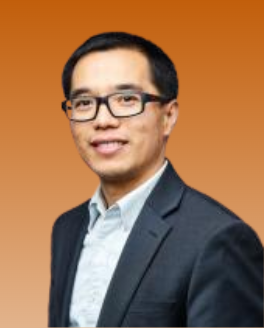
Yuebing Zheng was awarded seed funding through the University's Office of the Vice President for Research, Scholarship and Creative Endeavors. The 'New Directions in Research' grants are one time payments that give faculty an opportunity to obtain proof-of-concept or pilot data for future, larger grants.
Terry Zheng Awarded UT Chevron Energy Graduate Fellowship
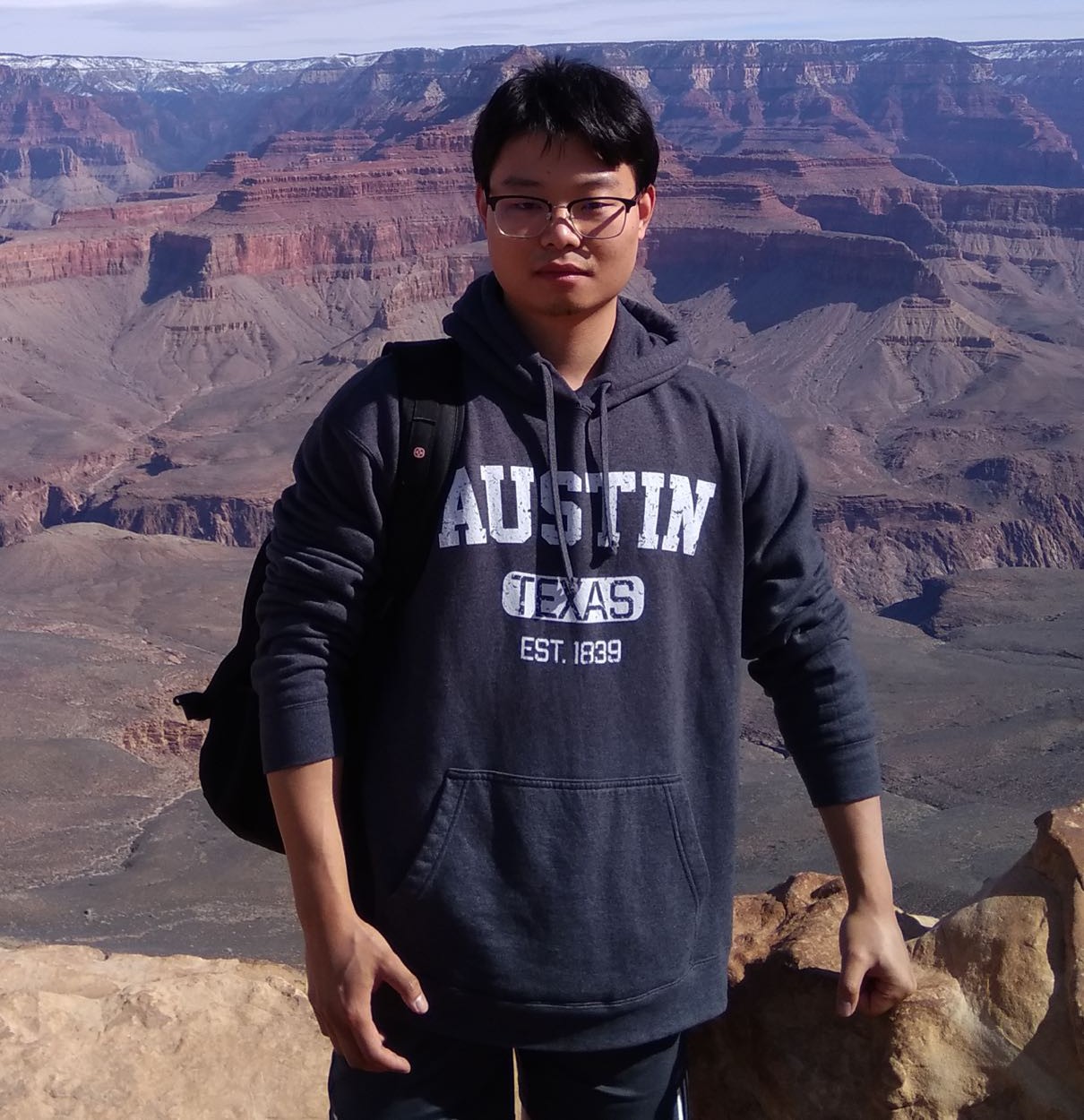
Tianrui (Terry) Zheng, a Materials Science & Engineering graduate student working with Dr. Guihua Yu, is a recipient of the 2026-2027 UT Chevron Energy Graduate Fellows Award from UT's Energy Institute.
NSF Graduate Research Fellowship Program Awardees
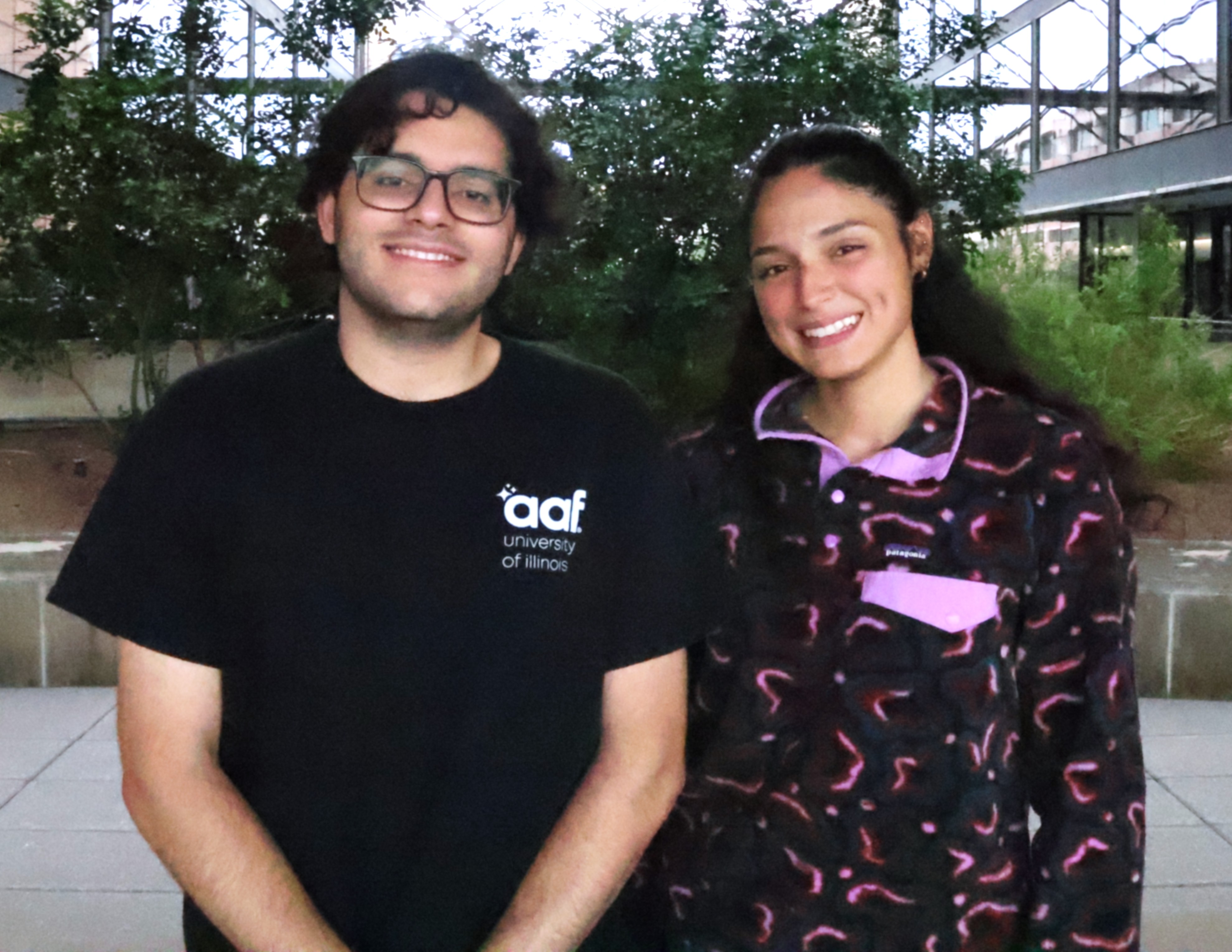
We are excited to announce that two MS&E students, Arvin Sharma and Aisha Lizaola, have been awarded the prestigious National Science Foundation Graduate Research Fellowship Program (NSF GRFP).
Two New Publications Advance Innovative Synthesis Methods for Next-Generation Battery Materials
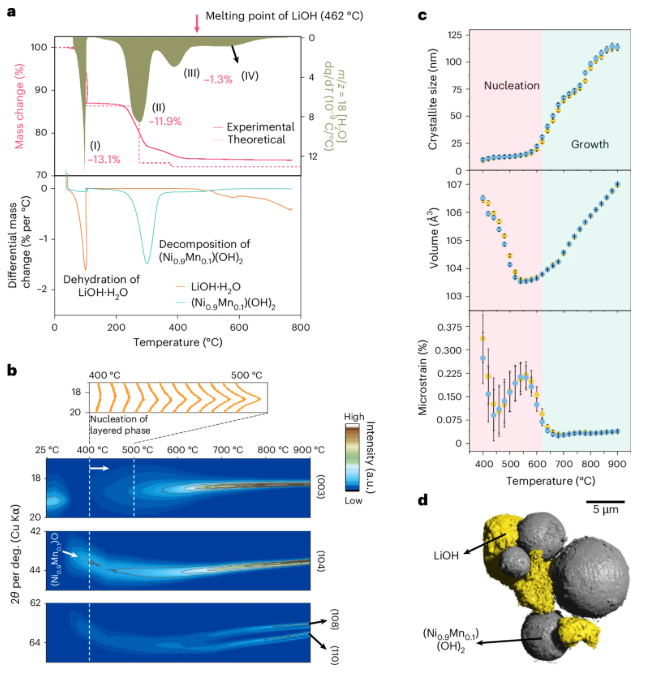
We are excited to share updates on two recent publications in Nature Energy and Nature Communications from Dr. Yijin Liu and his group, highlighting breakthroughs in battery material synthesis aimed at improving cathode performance, durability, and manufacturability.

© The University of Texas at Austin | Privacy Policy | Web Accessibility