
Video showing students and faculty in the Materials Science and Engineering department engaged in research, lab work, and classroom activities.
Home of UT
Materials Science and
Engineering
Core Faculty
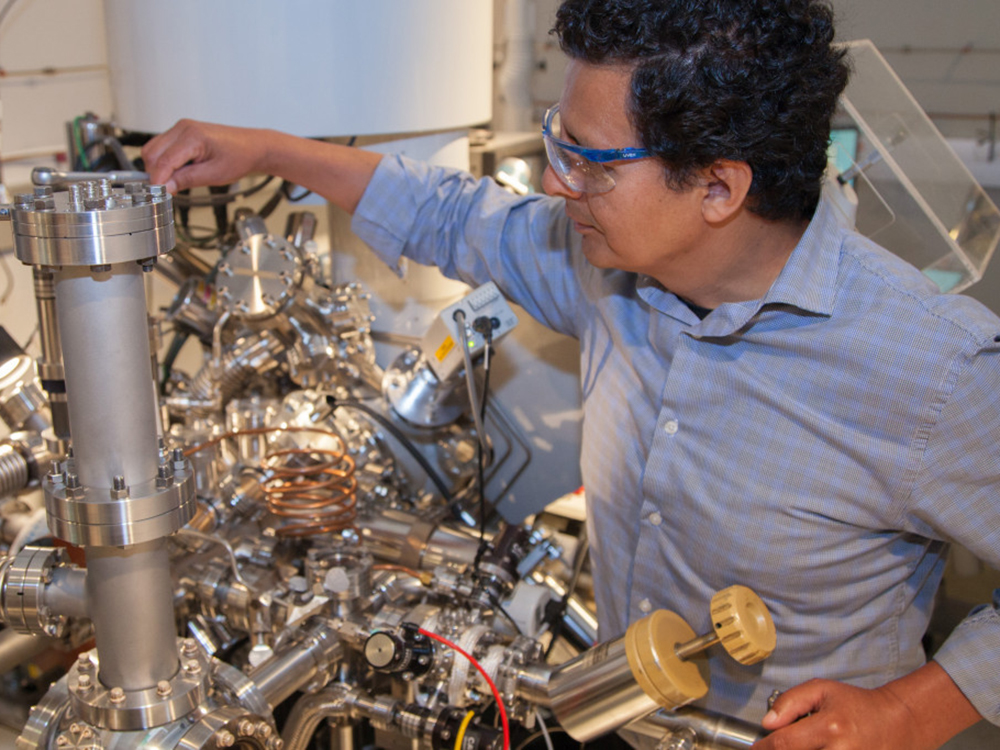
TMI's core faculty lead cutting-edge research by running their grants through the institute, fostering collaboration and resource sharing.
Learn More
Graduate Program
Our Materials Science and Engineering program is one of the best in the nation, and our graduates go on to be leaders in their fields.
Learn More
Research
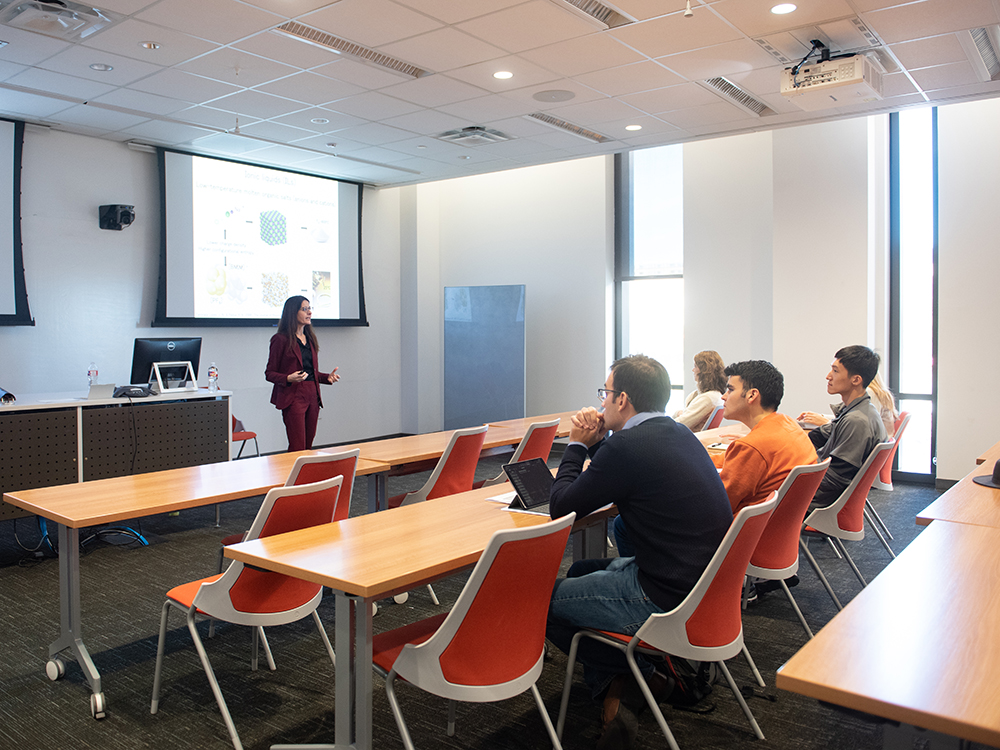
TMI supports interdisciplinary research at UT Austin, with over 100 faculty focusing on clean energy, nanotechnology, and advanced materials using our state-of-the-art facilities.
Learn More
Home

Subak Sensing: Silver Nanocluster Reporters Transform Genetic Testing
Forster resonance energy transfer (FRET) reporters are often used in tests to show if specific genetic material is present. In these tests, certain enzymes called nucleases cut the FRET reporters, causing them to emit light. However, making these FRET reporters involves using a dye/quencher pair and purifying them, which makes the FRET reporters expensive.

Unlocking Collective Motion: Mimicking Nature with Active Particle Systems
In nature, we often see remarkable patterns of movement in groups of animals like fish or birds. These movements are complex and dynamic, involving various behaviors and changes over time. Scientists at UT Austin have been trying to recreate similar behaviors in artificial systems using tiny particles that move on their own.

Addressing Dendrite Issue in Solid-State Electrolytes
All-solid-state batteries (ASSBs) are widely considered as the "Beyond Li Ion" technology, being potentially much safer and with much higher energy than commercial LIBs. ASSBs employ high voltage cathodes such as LiNi0.8Mn0.1Co0.1O2 (NMC811) and LiNi0.5Mn1.5O4 and a non-flammable inorganic separator termed solid-state electrolyte (SSE). For most ASSB architectures, a relatively thick metallurgically-rolled lithium foil is employed as the battery anode. However, limiting the amount of lithium is essential to achieving ASSBs with the targeted energy.

Deji Akinwande receives Office of Naval Research Funding
Electrical and computer engineering Professor Deji Akinwande, receives Office of Naval Research (ONR) funding for research focused on making computer systems that are energy-efficient and brain-like, specifically by studying a tiny component called an "atomristor."
Page 43 of 55
Texas Materials Seminar Series
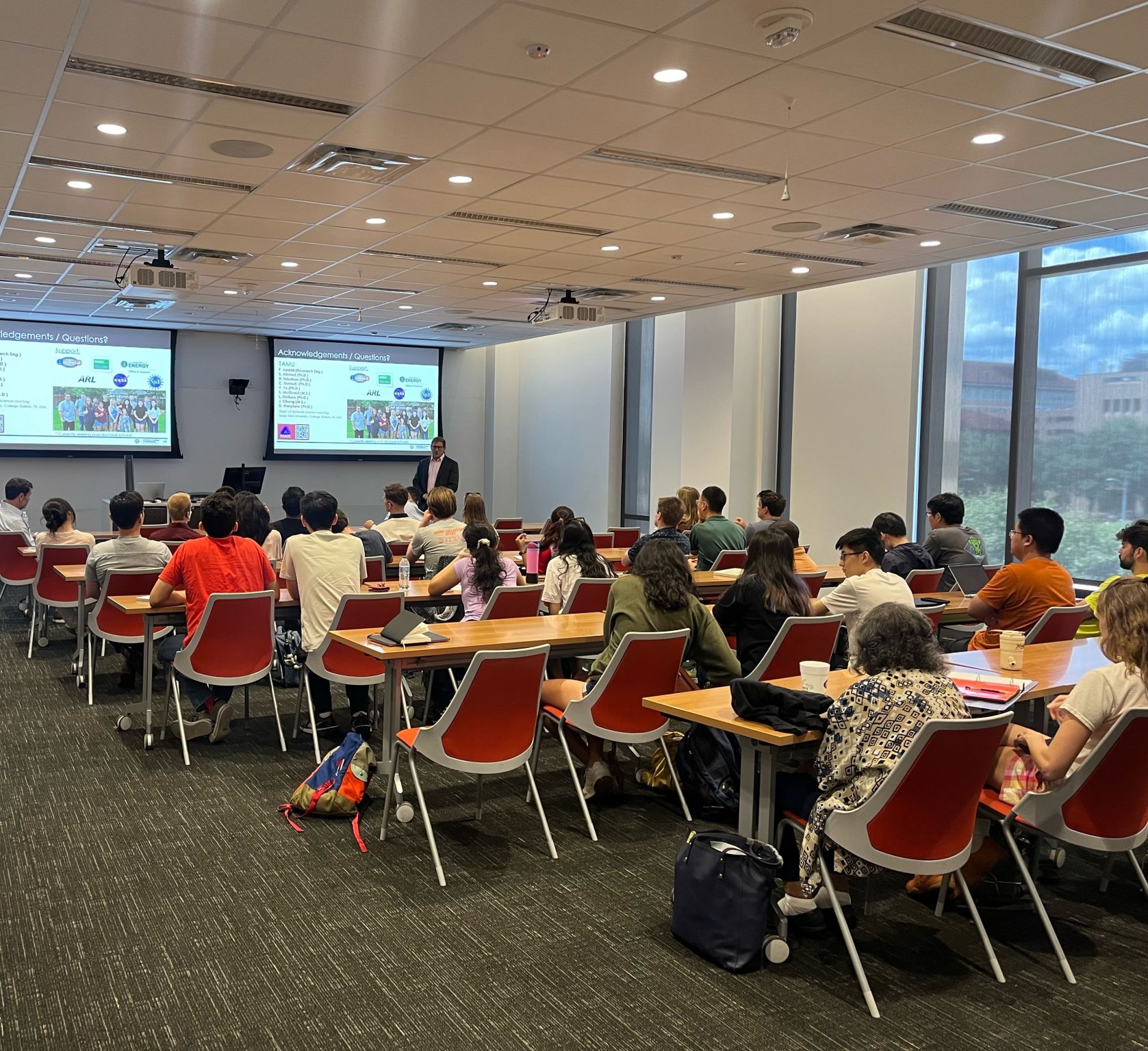
The Texas Materials Seminar Series features MSE 397 Seminars, TMI Distinguished Lectureships, and TMI Special Seminars, where leading faculty and professionals from around the world share cutting-edge innovations and advancements in materials engineering with our students.
Learn More
$12M+
In Grant Funding
20+
Research Patents
10K+
Sq. Ft. of Research Labs
News
Min-Hao Pai Finds Coating Helps Sodium-Sulfur Batteries
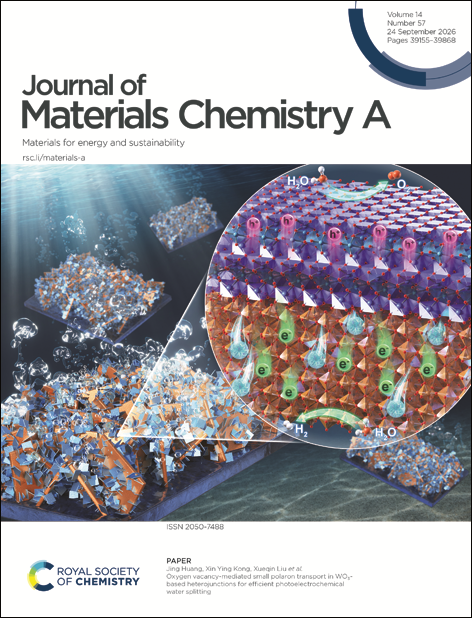
Sodium-sulfer (Na-S) batteries are a promising option for storing large amounts of energy from sources like wind and solar power. However, their performance is often limited by undesired chemical reactions that reduce the battery life, slow charging and discharging, and cause the batteries to work poorly in cold temperatures. Min-Hao Pai, a recent Materials Science & Engineering alum under the supervision of Dr. Arumugam Manthiram, has designed a protective coating for the sulfur electrode that helped to prevent these performance issues.
Zhantao Chen Publishes New Article on AI-assisted Tool
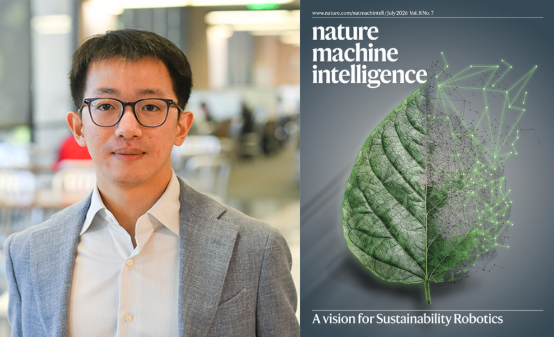
Zhantao Chen, an Assistant Professor in Mechanical Engineering and a TMI-affiliate, has published an article on an AI tool in Nature Machine Intelligence. The article used AI to help researchers in ways that would assist in experimental tasks that are often labor-intensive and tiresome.
Terry Zheng & Yu Group Publish New Work on Water-Based Electrolytes
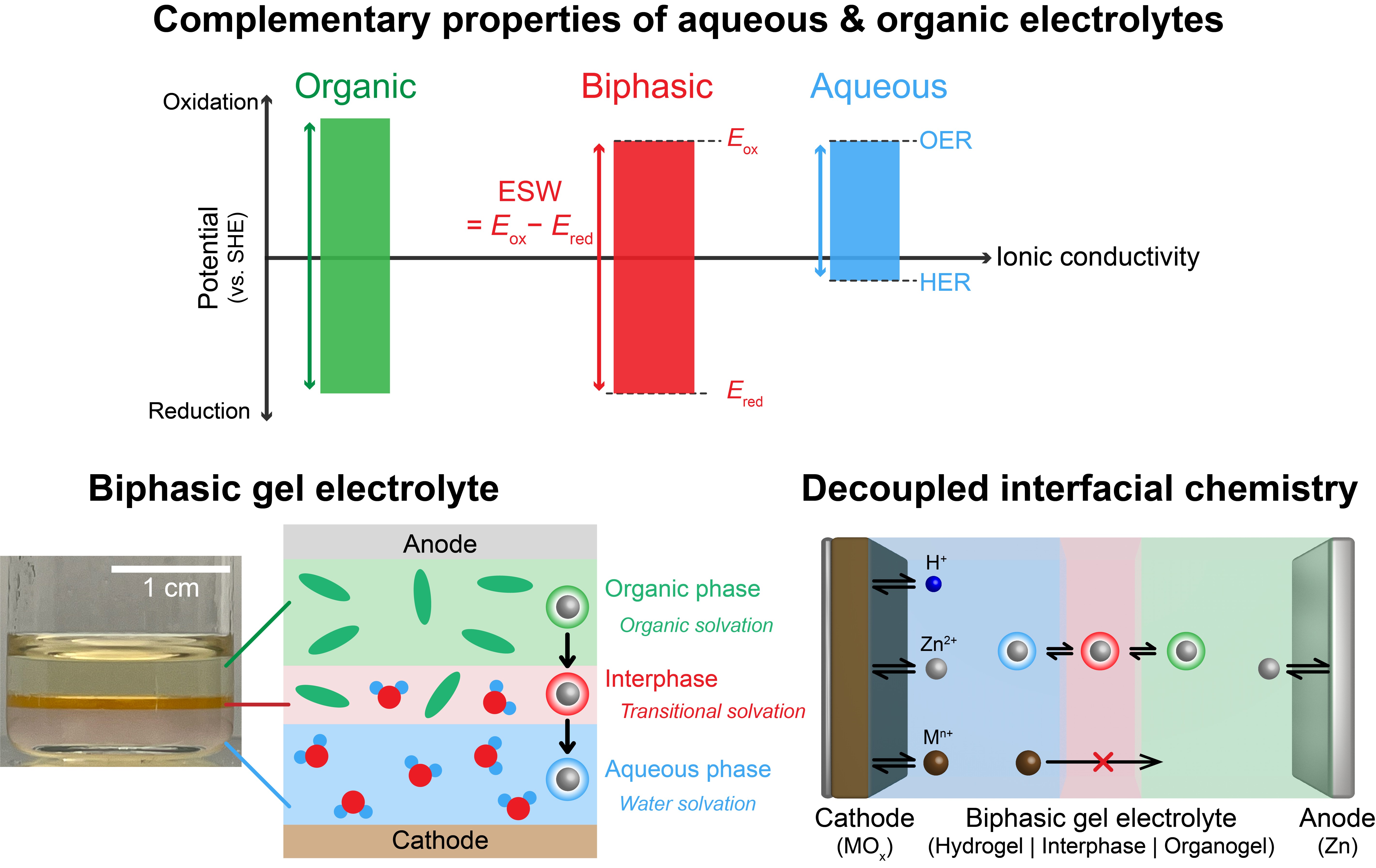
Materials Science and Engineering graduate student Tianrui (Terry) Zheng, under the supervision of Dr. Guihua Yu has published research in Advanced Materials introducing a biphasic electrolyte architecture that combines the strengths of water-based (aqueous) and organic-based electrolytes for long-duration, high-rate zinc metal batteries.
Get Better Sleep With Ultrasound Patch That Boosts REM Rest
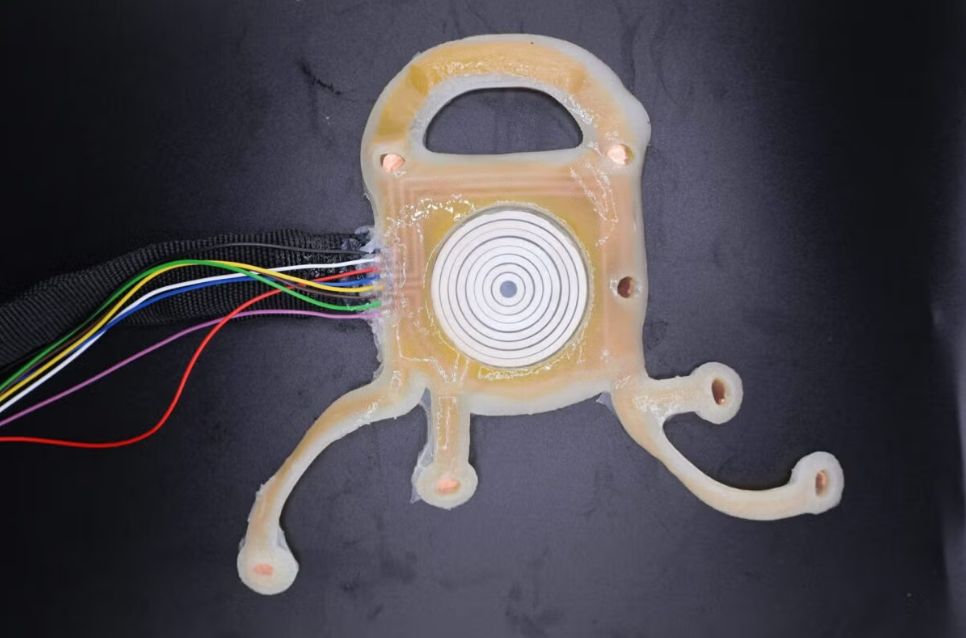
A wearable bioelectronic device increased REM sleep in real-world trials, without invasive surgery or medication.
Published by UT News.
Yuebing Zheng Awarded 'New Directions' Seed Funding from UT OVPR

Yuebing Zheng was awarded seed funding through the University's Office of the Vice President for Research, Scholarship and Creative Endeavors. The 'New Directions in Research' grants are one time payments that give faculty an opportunity to obtain proof-of-concept or pilot data for future, larger grants.
