
Video showing students and faculty in the Materials Science and Engineering department engaged in research, lab work, and classroom activities.
Home of UT
Materials Science and
Engineering
Core Faculty
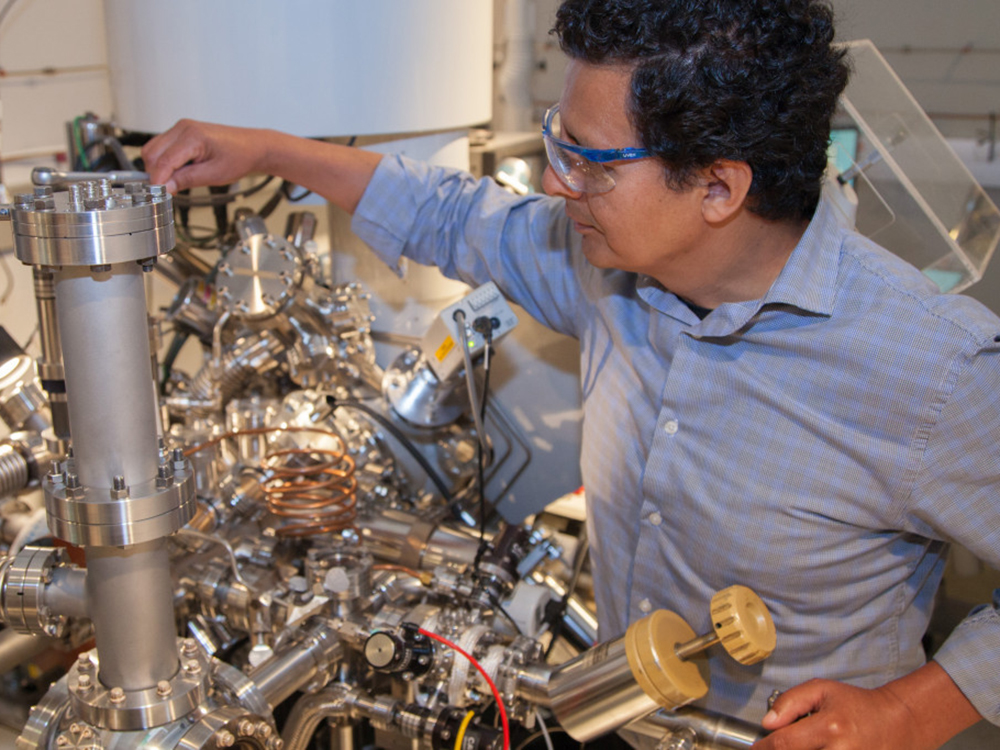
TMI's core faculty lead cutting-edge research by running their grants through the institute, fostering collaboration and resource sharing.
Learn More
Graduate Program
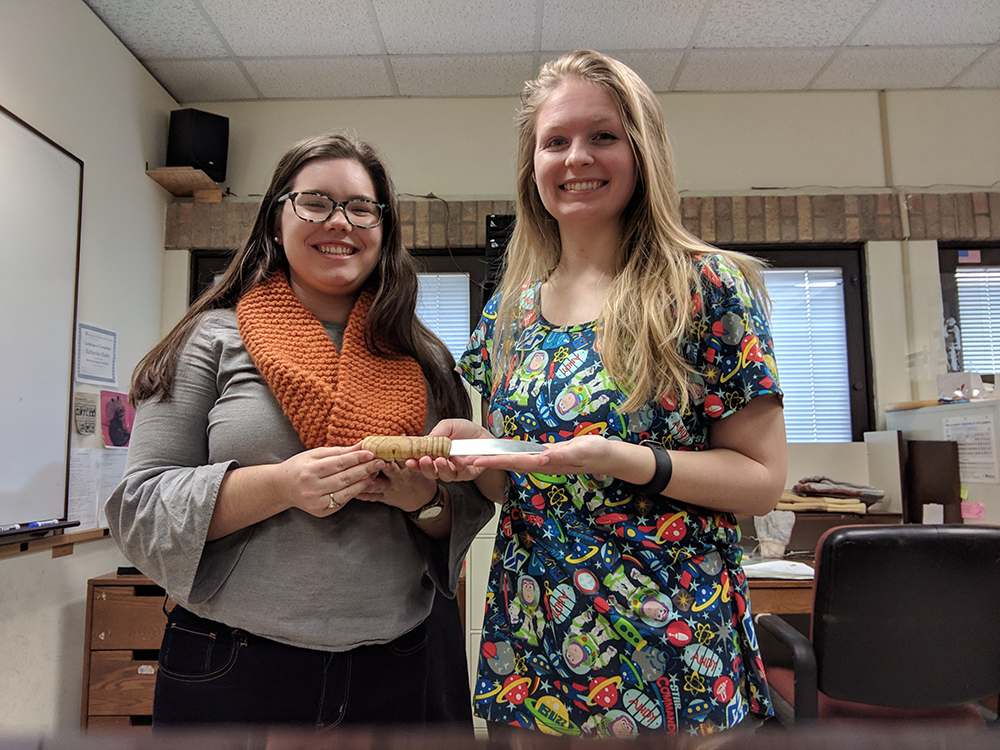
Our Materials Science and Engineering program is one of the best in the nation, and our graduates go on to be leaders in their fields.
Learn More
Research
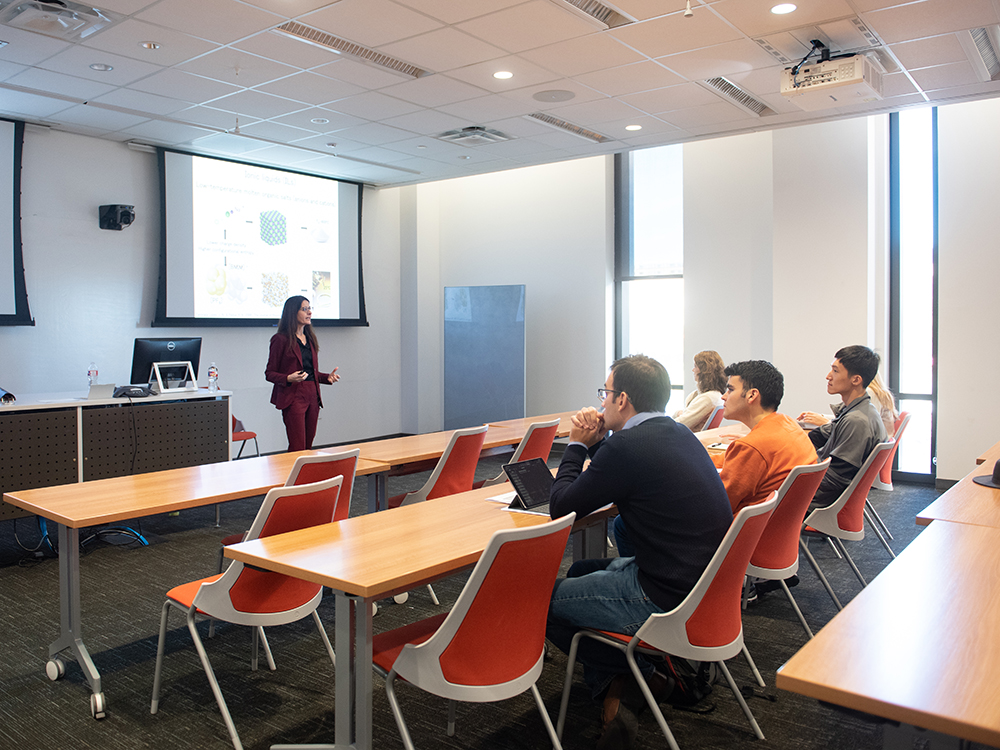
TMI supports interdisciplinary research at UT Austin, with over 100 faculty focusing on clean energy, nanotechnology, and advanced materials using our state-of-the-art facilities.
Learn More
Home
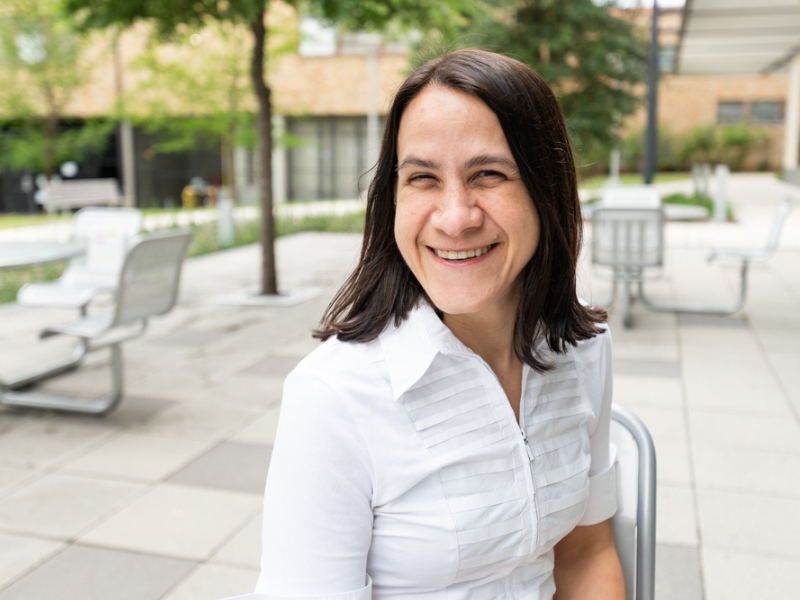
Delia Milliron receives 2023 Materials Research Society (MRS) Medal Award
Delia Milliron, the Ernest Cockrell, Sr. Chair #1 in engineering and department chair in chemical engineering, has received the Materials Research Society’s 2023 MRS Medal, which recognizes an exceptional achievement in materials research, or a specific outstanding recent discovery or advancement, that is expected to have a major impact on the progress of a materials‐related field.
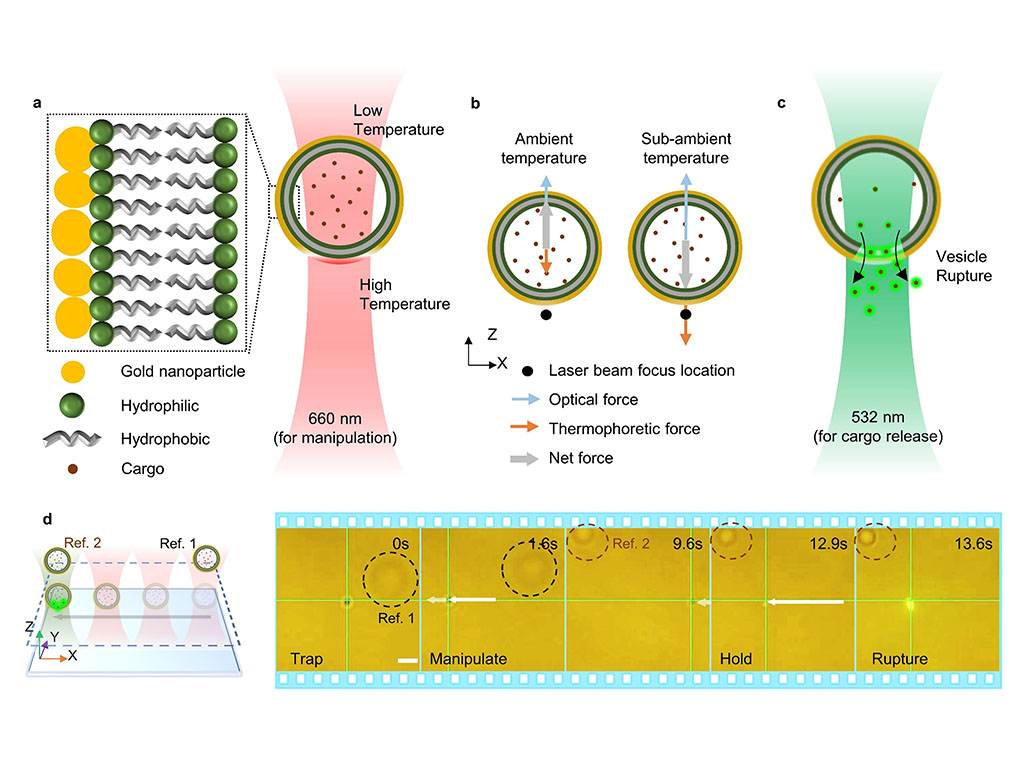
Laser Technology Cools the Way for Cellular Surgery and Drug Delivery
Imagine a laser so gentle it can cradle nanoparticles, biological cells, and even drive drug-delivering microscopic vehicles to sick cells without causing harm. This isn't science fiction; it's a new innovation led by a team of scientists at The University of Texas at Austin.
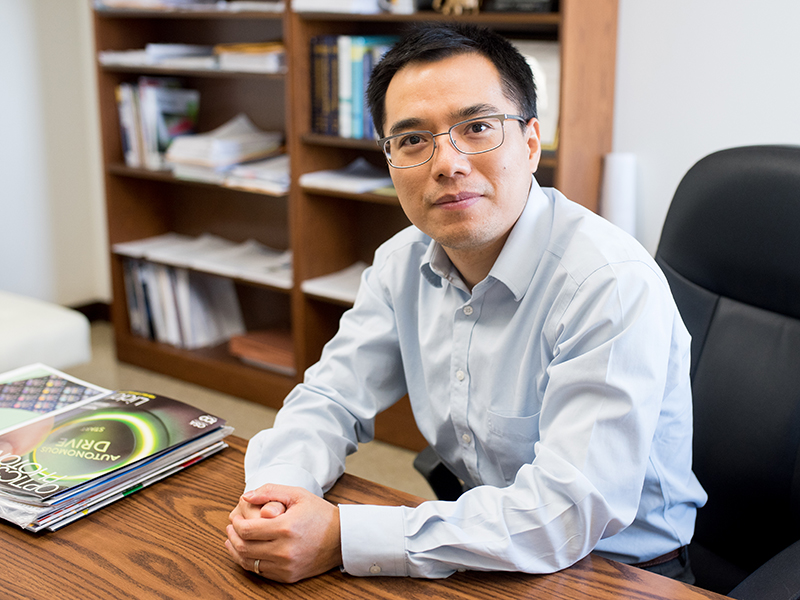
Optica Announces 2024 Fellows Class, Dr. Yuebing Zheng
The Board of Directors of Optica (formerly OSA), Advancing Optics and Photonics Worldwide, recently elected 129 members from 26 countries to the Society's 2024 Fellow Class. Among those 129 members, our very own Materials Science & Engineering graduate advisor and Associate Professor in the Walker Department of Mechanical Engineering, Dr. Yuebing Zheng was selected.
Swarming Behavior, Inspired by Nature, Holds Key to Future Robotics and Optoelectronics
Researchers at The University of Texas at Austin have put forth a pioneering concept and working mechanism for generating reconfigurable multi-modal micromotor swarms, providing unprecedented spatial, temporal, and mode control compared to previous endeavors.
Page 47 of 54
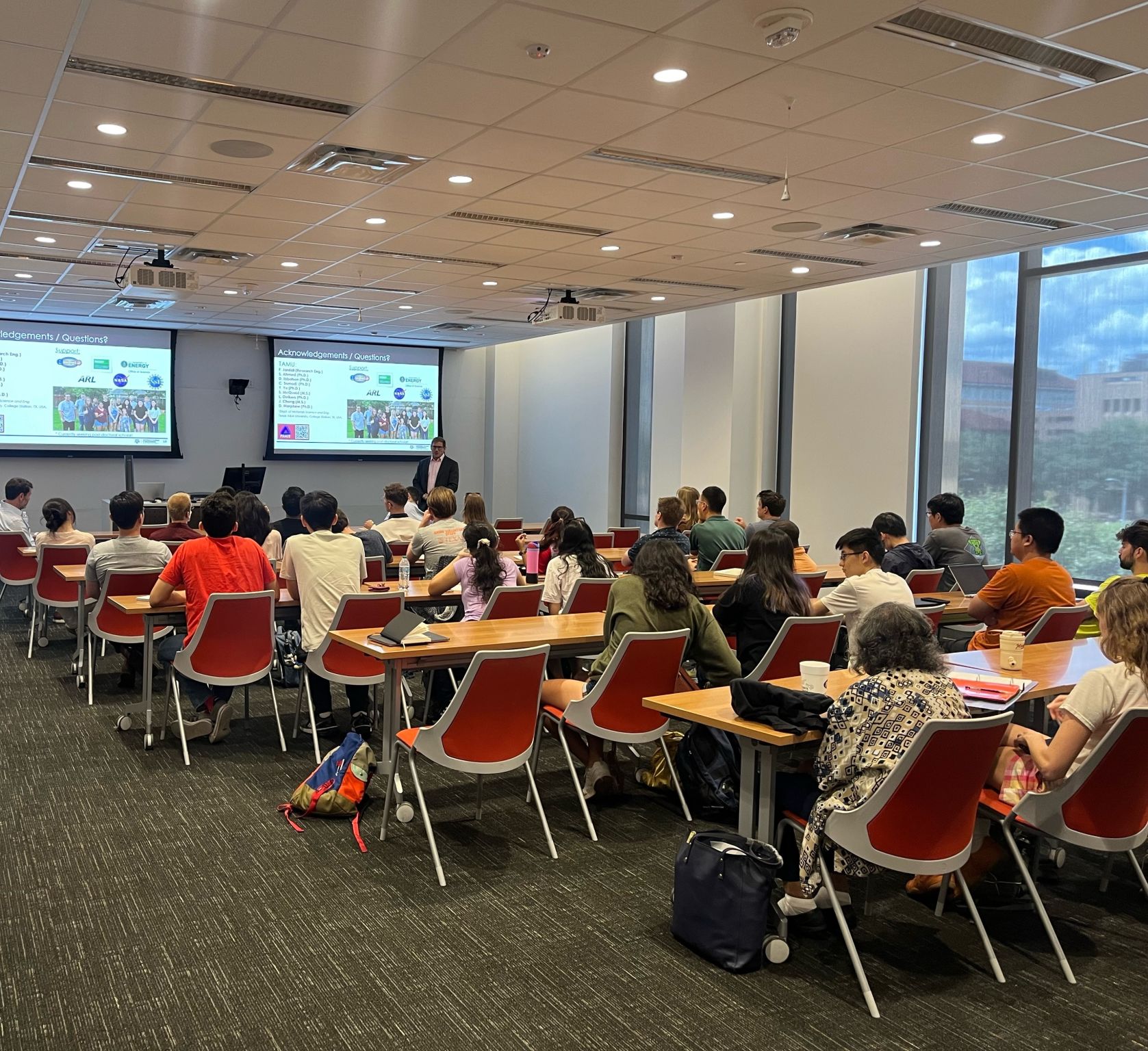
Texas Materials Seminar Series
The Texas Materials Seminar Series features MSE 397 Seminars, TMI Distinguished Lectureships, and TMI Special Seminars, where leading faculty and professionals from around the world share cutting-edge innovations and advancements in materials engineering with our students.
Learn More
$12M+
In Grant Funding
20+
Research Patents
10K+
Sq. Ft. of Research Labs
News
Zhantao Chen Publishes New Article on AI-assisted Tool
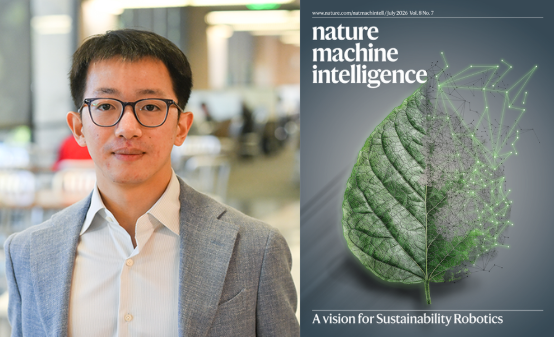
Zhantao Chen, an Assistant Professor in Mechanical Engineering and a TMI-affiliate, has published an article on an AI tool in Nature Machine Intelligence. The article used AI to help researchers in ways that would assist in experimental tasks that are often labor-intensive and tiresome.
Terry Zheng & Yu Group Publish New Work on Water-Based Electrolytes
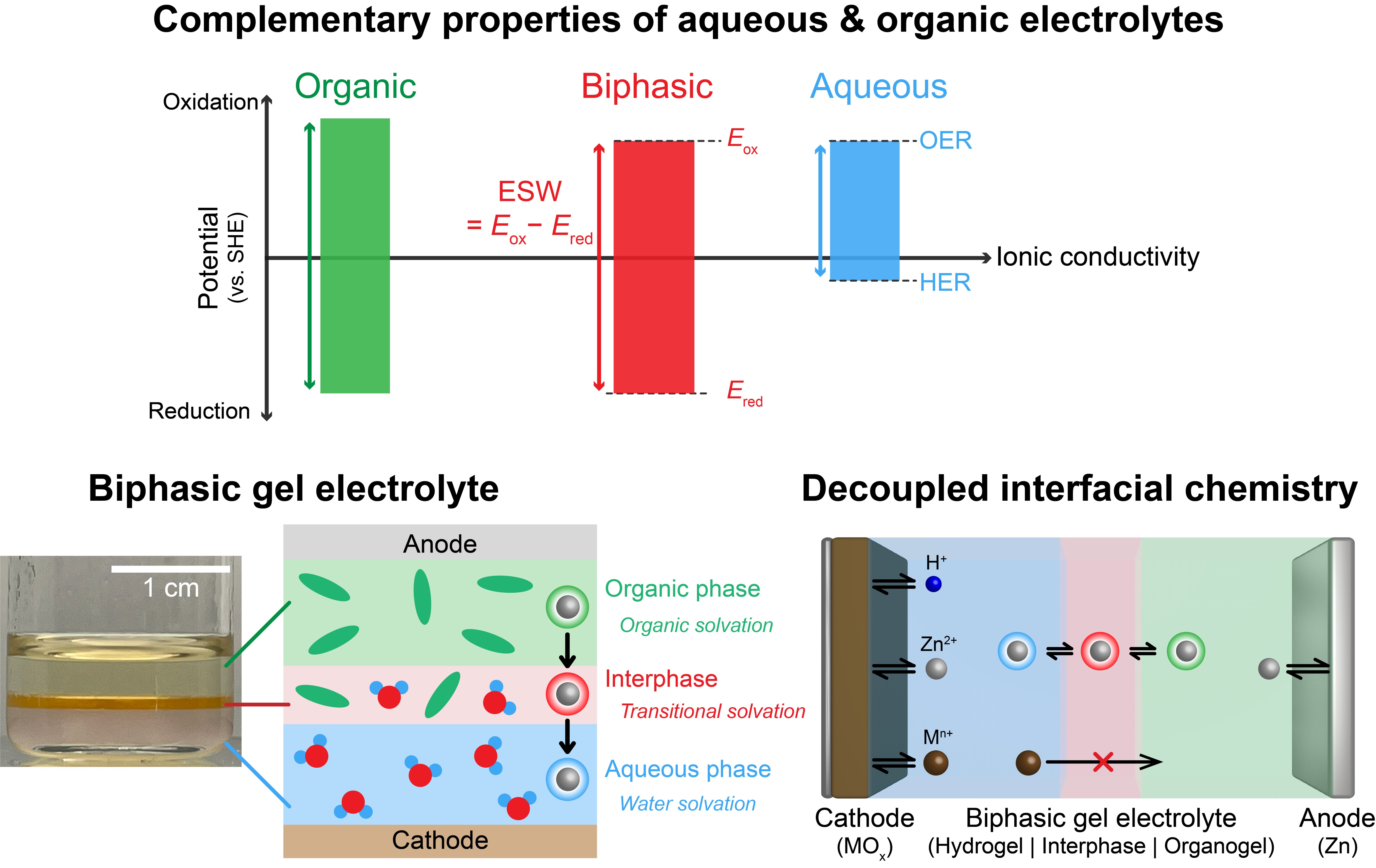
Materials Science and Engineering graduate student Tianrui (Terry) Zheng, under the supervision of Dr. Guihua Yu has published research in Advanced Materials introducing a biphasic electrolyte architecture that combines the strengths of water-based (aqueous) and organic-based electrolytes for long-duration, high-rate zinc metal batteries.
Get Better Sleep With Ultrasound Patch That Boosts REM Rest
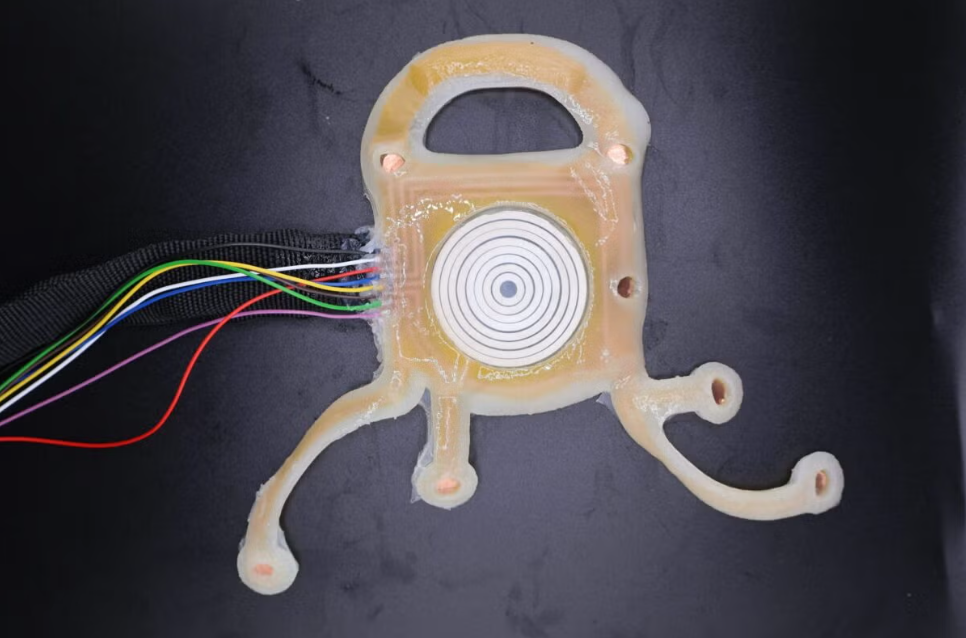
A wearable bioelectronic device increased REM sleep in real-world trials, without invasive surgery or medication.
Published by UT News.
Yuebing Zheng Awarded 'New Directions' Seed Funding from UT OVPR

Yuebing Zheng was awarded seed funding through the University's Office of the Vice President for Research, Scholarship and Creative Endeavors. The 'New Directions in Research' grants are one time payments that give faculty an opportunity to obtain proof-of-concept or pilot data for future, larger grants.
Terry Zheng Awarded UT Chevron Energy Graduate Fellowship
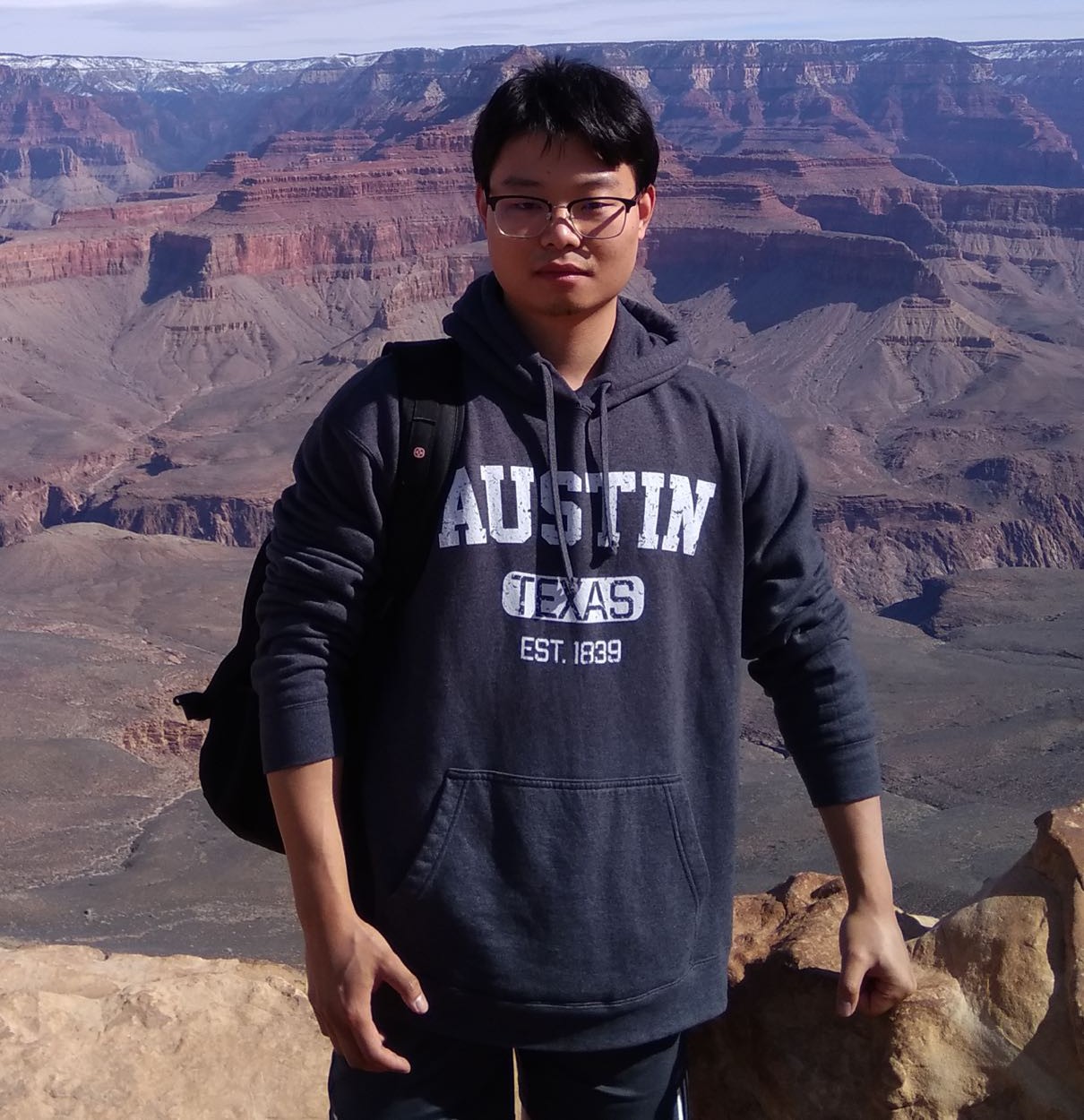
Tianrui (Terry) Zheng, a Materials Science & Engineering graduate student working with Dr. Guihua Yu, is a recipient of the 2026-2027 UT Chevron Energy Graduate Fellows Award from UT's Energy Institute.
