
News and Events
News and Events
Seminars
MS&E Graduate Seminar: Ichiro Takeuchi
12:00 pm - 1:00 pm
Location: EER 1.528
More Information Coming Soon!
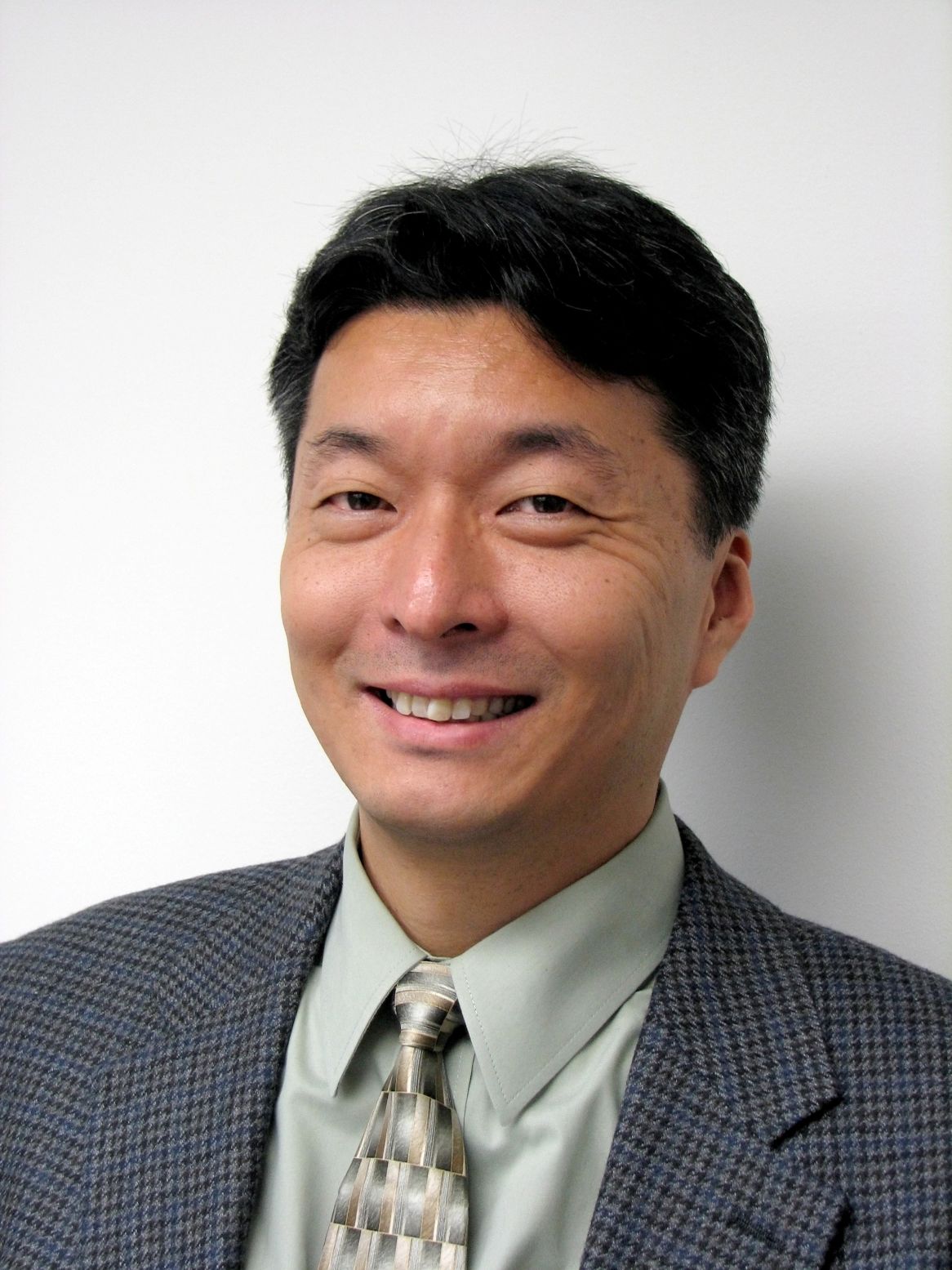
Ichiro Takeuchi is a professor of the University of Maryland’s A. James Clark School of Engineering and the Interim Chair of the Department of Materials Science and Engineering (MSE). Professor Takeuchi joined MSE in 1999, and currently holds affiliate appointments with UMD’s Department of Physics, Department of Electrical and Computer Engineering, and the Maryland Energy Innovation Institute. In 2018, he won the Clark School Senior Faculty Research Achievement Award and was named a Distinguished Scholar-Teacher by UMD.
He served as MSE’s Graduate Program Director from 2015-2024, and is the Chief Technology Officer of Maryland Energy & Sensor Technologies, LLC, a start-up dedicated to commercializing elastocaloric cooling, now recognized as a frontrunner in alternative cooling technologies combating climate change. In 2010, his work on Elastocaloric Cooling was named the university’s Invention of the Year in the Physical Sciences Category.
His research interests span high-throughput materials discovery, artificial intelligence for materials science, caloric cooling, and superconducting devices. He has published more than 300 peer-reviewed articles in journals such as Science and Nature, and is a fellow of the Materials Research Society, American Physical Society, and Japan Society of Applied Physics. To date, his publications have collectively garnered more than 22,000 citations.
Prior to joining the Clark School, he was a postdoctoral research associate at Lawrence Berkeley National Laboratory, where he helped pioneer the combinatorial materials synthesis strategy. He also previously worked as a technical staff member in the superconducting electronics group at NEC Corporation.
Professor Takeuchi is a proud Terp, having earned his Ph.D. in physics from UMD in 1996. He studies combinatorial synthesis, a newly emerging paradigm of research methodology which aims to drastically increase the efficiency at which new materials are discovered and improved. Using this technique, up to thousands of compositionally varying samples are synthesized, processed, and screened in a single experiment in order to rapidly survey large materials phase spaces.
